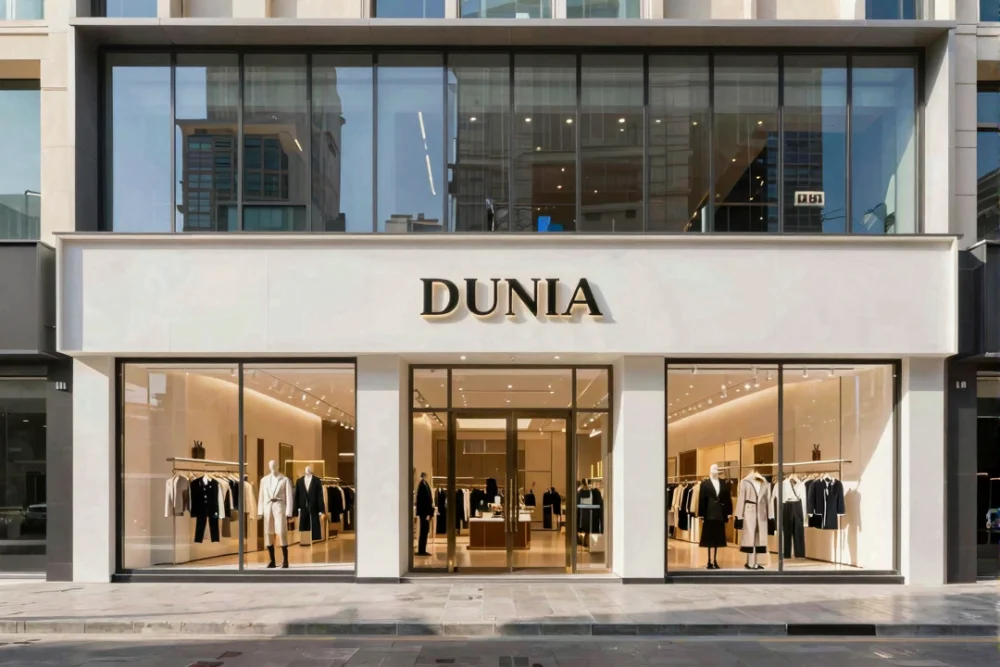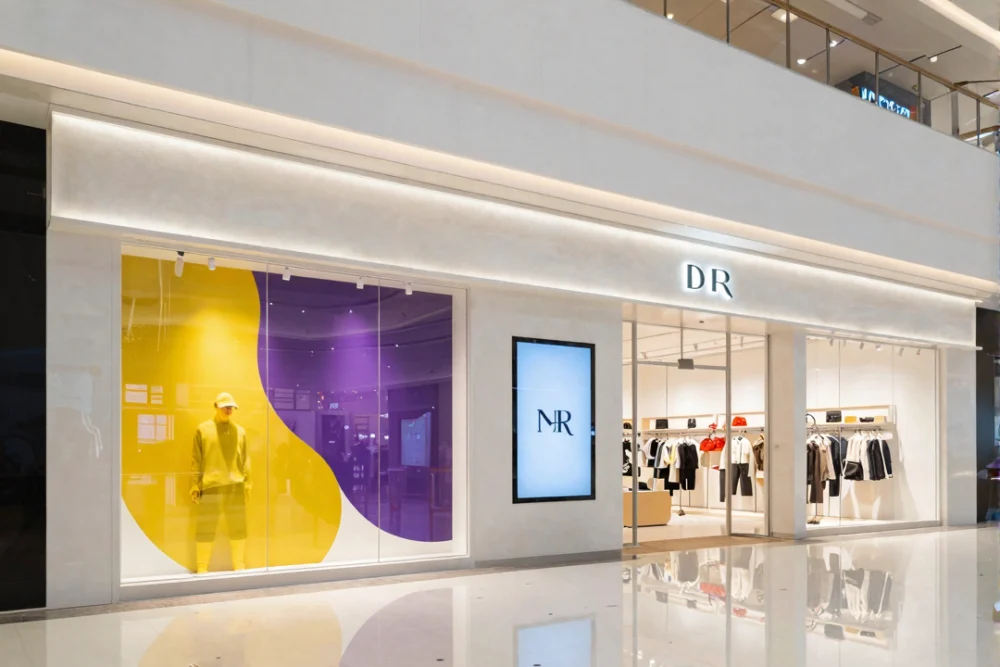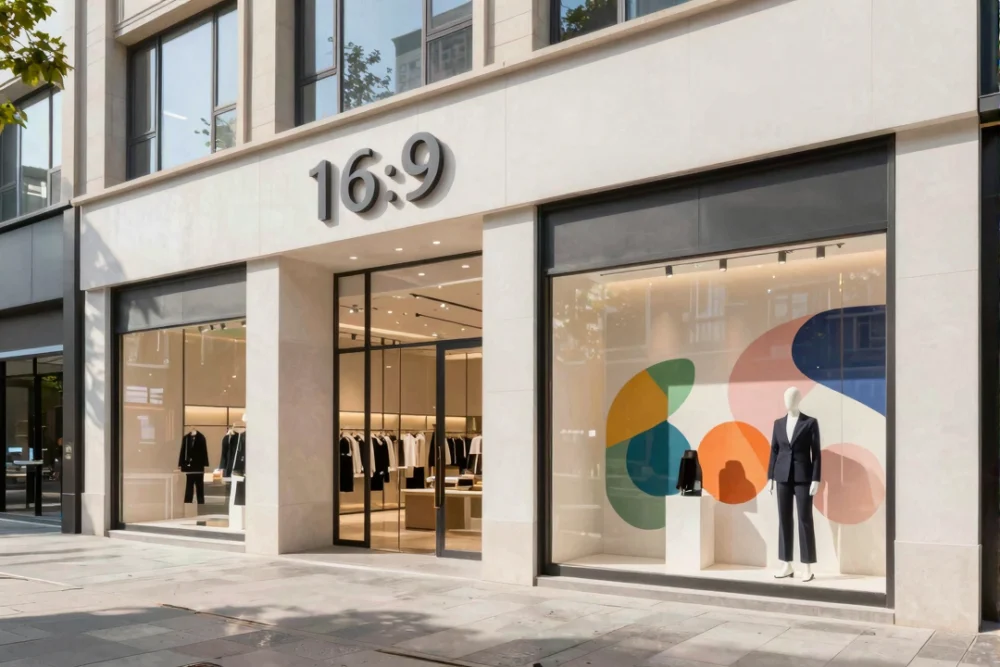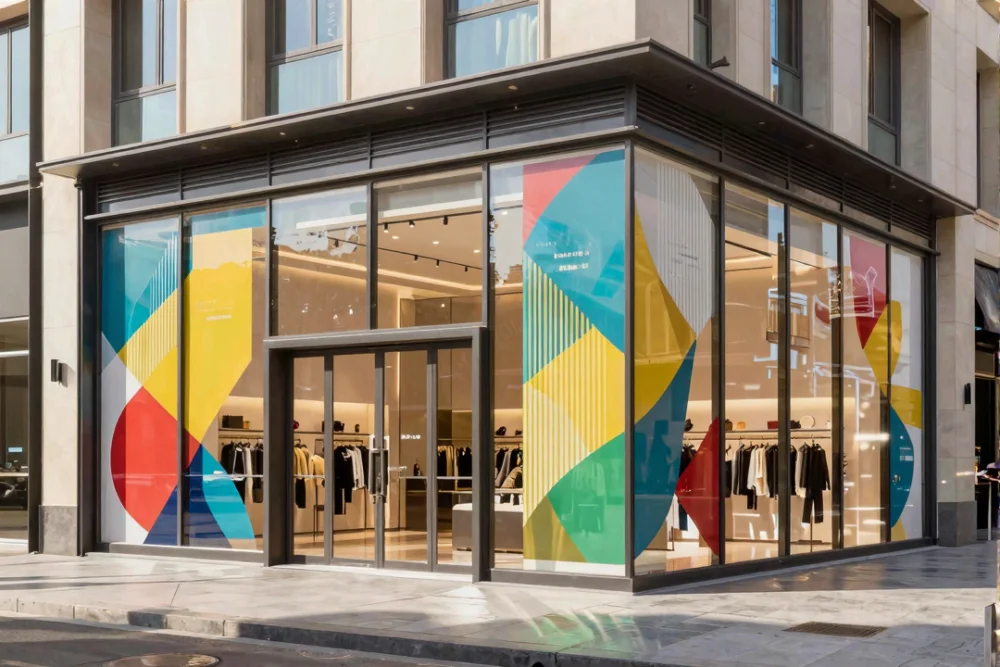
Different Types of Window Graphics Available
Window graphics Dubai come in several forms, each with unique advantages ideal for different retail settings. Understanding the various types is essential for effective retail signage Dubai, as each serves specific goals that contribute to increased visibility and customer engagement.
Key Takeaways
- Choosing the right type of window graphics can elevate brand visibility significantly.
- Different materials offer various benefits like privacy, aesthetics, and ease of installation.
- Regular updates to graphics can keep your storefront looking fresh and engaging.
- Align graphics with your overall branding strategy for maximum impact.
- Consider the view from both inside and outside for the best results.
Opaque Vinyl
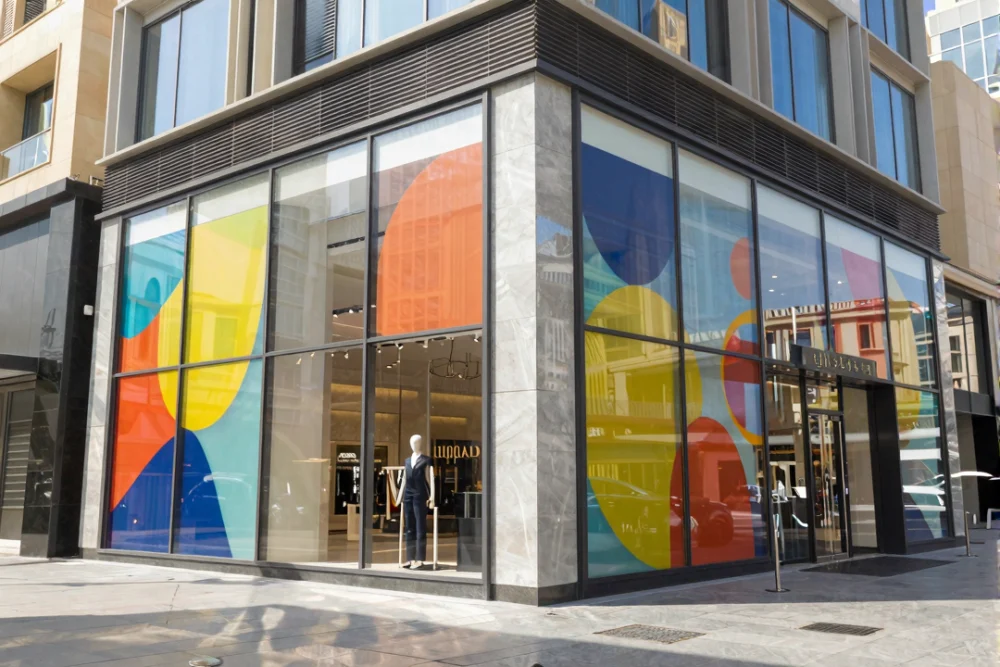
Opaque vinyl is often favored for retail environments due to its ability to deliver vibrant colors and complete coverage. It is ideal for branding features such as logos and business hours, and its solid appearance ensures high visibility. This type of graphic can attract attention even from a distance, making it perfect for storefronts that want to make a strong impression.
- Best Use: Permanent installations for logos and long-term promotions.
- Actionable Tip: Ensure the colors align with your brand’s color palette, which can boost recognition among consumers.
Perforated Film
Perforated film is an innovative choice that provides one-way visibility. From the outside, it displays solid images while allowing those inside the store to see out clearly. This feature is especially advantageous for advertising campaigns aimed at a high foot traffic area. It ensures that advertising messages reach passersby without sacrificing the view for customers or employees inside.
- Best Use: Promotional graphics that need both visibility and transparency.
- Actionable Tip: Design images and text for clear visibility from outside to effectively capture attention. Consider including seasonal promotions or special offers that change frequently.
Frosted Vinyl
Frosted vinyl adds a level of sophistication to storefronts while offering privacy. This semi-transparent material caters well to upscale environments such as boutiques, salons, and corporate offices. Frosted vinyl can be utilized not only to display logos but also to create attractive patterns that contribute to the aesthetic appeal without completely obstructing light.
- Best Use: To enhance privacy and create an elegant look that appeals to a high-end market.
- Actionable Tip: Combine frosted vinyl with colorful graphics to enhance a modern and refined appearance, drawing attention to key brand elements while maintaining sophistication.
Static Clings
Static clings are versatile and user-friendly, making them perfect for quick promotions or seasonal displays. These graphics cling to smooth surfaces without adhesive, allowing for easy repositioning and removal. This flexibility is ideal for businesses looking to frequently update their messaging and maintain consumer interest throughout the year.
- Best Use: Short-term promotions that change seasonally or frequently.
- Actionable Tip: Schedule regular updates for your static clings to keep your storefront fresh and relevant; this can enhance customer engagement and interest.
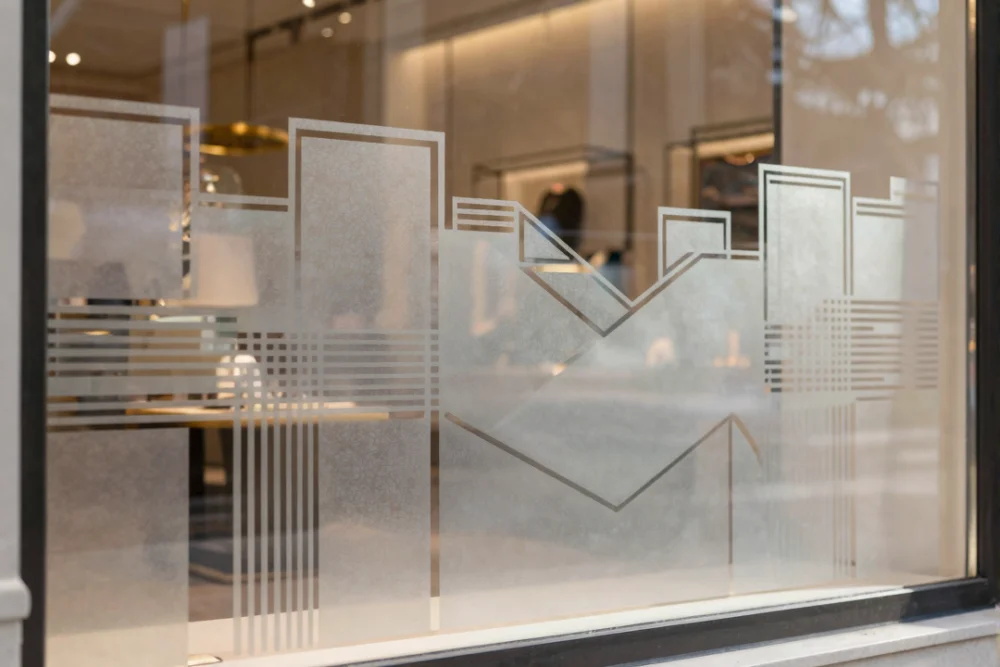
Frosted vinyl graphics provide a sophisticated look while offering privacy for upscale boutiques and offices
Design Tips for Effective Window Graphics
Window graphics Dubai play a pivotal role in engaging potential customers as they walk by. A well-designed window graphic can grab attention and convey essential brand messages effectively. Since these graphics often represent the first impression of a business, attention to detail is crucial. Here are some vital design tips to ensure your window graphics resonate and make a lasting impact.
Key Takeaways
- High-contrast color choices enhance visibility and convey messages quickly.
- Keep messaging concise to adhere to the five-second rule—grab attention instantly.
- Readability is essential; choose fonts that are both legible and on-brand.
- Maintaining brand consistency promotes recognition and loyalty.
- Incorporate unique selling propositions (USPs) into designs for a cohesive narrative.
Color Psychology
Choosing the right color scheme can dramatically influence consumer behavior and perception. High-contrast color combinations, like dark text on light backgrounds, not only ensure immediate readability but also grab attention. For instance, a bright red can evoke urgency, making it an ideal choice for promotional messages. Meanwhile, cooler tones like blue often convey trust and calmness, resonating well with clients looking for reliability.
One method to determine the most impactful colors is to analyze your brand’s emotional tone and target audience. For example, if you operate a health-conscious café, earth tones and greens can emphasize freshness and wellness. Ensure the colors align with your overall branding strategy to enhance customer recognition.
Clear Messaging
Your window graphics must deliver their message quickly, making it crucial to adhere to the “five-second rule.” Observers should instantly grasp what your store offers without needing to pause for explanation. Utilize short, impactful phrases or even one-word descriptions that are memorable and attention-grabbing. For instance, words like “Sale!” or “New!” can create immediate interest.
When framing your message, keep typography sufficiently large to ensure readability from afar. This can be particularly important in Dubai’s busy urban environment where potential customers are on the move. Combining visual elements with your message can also add clarity; for example, using icons alongside words can communicate ideas faster.
Readability
The choice of font is equally as important as the colors and messaging. Always select fonts that are highly legible while remaining true to your brand identity. Avoid decorative styles that may complicate readability, especially in busy urban settings. A well-structured typography hierarchy can enhance clarity: use a large font for headlines to showcase your main idea, smaller fonts for supporting details, and bold styles for your call-to-action (CTA).
Consider testing readability by gathering feedback from potential customers or using mock-up designs. If your graphics will be viewed from a distance, test to ensure they remain clear and impactful. Remember that less is often more; overcrowding your graphics with too much text can detract from the primary message.
Brand Consistency
Integrating elements from your overall brand—like logos, colors, and thematic styles—is paramount in window graphic design. Consistency across all marketing materials builds brand familiarity, allowing customers to recognize your business easily among competition. If your brand’s colors are reds and golds, ensure these predominate in your window designs.
Make it a practice to reinforce your unique selling proposition (USP) directly within your graphic designs. This approach not only provides clarity about what your business stands for but also helps tell a compelling story. Aligning all branding elements with your target audience’s expectations will yield a unified message that resonates effectively with potential clients.
To further enhance brand presence, consider consulting resources like How to Boost Your Brand with Custom Stickers in Dubai [2024 Guide] as a complementary strategy for expanding visibility. By harmonizing your window graphics with sticker marketing, you create a cohesive approach that communicates your brand effectively.
Installation Best Practices for Window Graphics
Window graphics Dubai can significantly enhance your store’s visibility, but proper installation is crucial to realizing their full potential. Even the best designs can fall flat if not installed correctly. This section outlines practical steps for successful application to help you avoid common mistakes.
Surface Preparation
Start by thoroughly cleaning the window surface to remove any dirt, grease, or residues that could affect adhesion. It’s essential to avoid ammonia-based cleaners, as they can break down decal adhesives and lead to installation issues. Instead, use a lint-free cloth combined with rubbing alcohol or a mild detergent solution to prepare the surface effectively. Ensure that the window is completely dry before moving on to the installation step, as moisture can hinder adhesion.
Pro Tip: Test a small area first to make sure your cleaning method does not damage the glass. Confirm the smoothness of the surface by running your hand over it; it should feel clean and even.
Installation Techniques
Choosing the right installation method can greatly influence the outcome of the graphics. For larger graphics, the wet method is highly recommended. This process involves mixing a slip solution (usually a mixture of water and a few drops of dish soap) that allows you to position the graphic accurately before firmly adhering it to the window. Use a squeegee to push out air bubbles and remove excess liquid from beneath the graphic, ensuring a smooth application.
For smaller decals, the dry method can be effective. This technique entails peeling back part of the backing and carefully placing the graphic onto the window, then applying firm pressure to smooth it out. A good tip here is to start at the center and move outward to eliminate air bubbles and ensure a tight seal.
Professional Help
Although DIY installations may seem tempting, hiring a professional installer can minimize common mistakes, such as misalignment, bubbles, and adherence problems. Experienced installers understand how to work with various materials and conditions, ensuring accurate placement and a polished final look.
Providers like GFX Printer can help ensure that your graphic not only looks good but also lasts long, providing a worthwhile investment for your business.
Temperature and Timing Considerations
The environment during installation significantly impacts the graphics’ durability. Ideally, install window graphics when the temperature is between 40°F (4°C) and 90°F (32°C). Extreme heat or cold can adversely affect the adhesive properties. Moreover, high humidity can lead to moisture issues between the glass and the graphic, compromising adhesion.
For optimal conditions, schedule installations during the early morning or late afternoon hours, avoiding harsh midday sunlight. This timing not only makes work easier but also ensures better conditions for handling your materials effectively.
Final Checks
Once the installation is complete, conduct a thorough inspection. Check for any bubbles, misalignments, or edges that may need additional pressure to adhere properly. If you notice small bubbles, you can often expel them by gently pricking them with a needle and squeegeeing out the air.
For enhanced longevity, consider adding a UV-stable laminate if your graphics are exposed to direct sunlight. This extra layer can protect against discoloration and wear, ensuring that your window graphics remain vibrant over time.
The Impact of Window Graphics on Sales and Brand Visibility
Window graphics Dubai are powerful tools that not only enhance brand visibility but also significantly influence sales. Effective window displays serve as the first point of contact between a business and potential customers, making it essential to analyze how well-designed graphics can convert foot traffic into paying customers.
Key Takeaways
- Engaging window graphics can turn passersby into active shoppers.
- Seasonally updated graphics keep the store fresh and relevant.
- Metrics should be used to assess the effectiveness of window graphics.
- Interactive elements like QR codes can enhance customer engagement.
- Regular updates align with changing consumer interests and trends.
Converting Passersby
Engaging window graphics have the potential to convert passive pedestrians into active shoppers. A visually appealing and strategically placed graphic can entice people to enter the store. For example, stores featuring eye-catching graphics that highlight special promotions or unique designs, like limited-time offers, often see an increase in foot traffic. Consider placing promotional graphics at eye level or near entrances to maximize visibility.
Implementing metrics can help track the number of customers entering after display updates. Using simple tally counts or digital tracking systems can provide insights on which graphics generate the most interest. Furthermore, lead capture strategies can be employed, such as asking customers how they heard about the promotion, thereby directly linking graphics to traffic conversions.
Seasonal Updates
Regularly updating window graphics for seasonal promotions keeps the storefront vibrant and engaging. For instance, showcasing holiday themes or back-to-school specials can create a sense of urgency and relevance. Seasonal graphics not only attract new customers but also encourage repeat visits from existing customers who may be eager to see what’s new.
Changing graphics when seasons change, or when new product lines are launched, allows stores to remain in tune with consumer interests and market trends. It’s effective to also incorporate countdowns for sales events or highlight featured items that resonate with the current season, enhancing engagement and anticipation with customers looking for timely deals.
Customer Engagement Strategies
Incorporating interactive elements into window graphics can significantly elevate customer engagement. For example, using QR codes that link to social media pages or exclusive promotional offers encourages customers to interact beyond the storefront. A simple phrase like “Scan for a special discount” can increase foot traffic as shoppers are incentivized to engage with the brand in a tech-savvy way.
These QR codes can lead to promotions, collect email subscriptions for newsletters, or share social media-friendly content that followers can easily like or share. Making your window graphics interactive maximizes their potential as marketing tools, turning static advertisements into dynamic entry points for customer interaction.
Consider pairing window graphics with loyalty programs, where scanning a QR code might grant points for purchases, integrating window displays into a more extensive customer relationship management strategy.
Latest Trends and Technologies in Window Graphics
Window graphics Dubai are evolving rapidly, and staying ahead of the trends is essential for retailers looking to attract customers effectively. This section discusses emerging technologies and materials used in window graphics, providing insights that can enhance retail visibility and brand engagement.
Sustainable Materials
As the world increasingly prioritizes sustainability, there is a growing demand for eco-friendly options in window graphics. Retailers are now more frequently utilizing materials such as PVC-free and recyclable films. These materials not only appeal to environmentally conscious consumers but often reduce waste in the production process. It’s important to note that sustainable materials are sometimes just as durable as traditional options. For example, premium cast vinyl offers longevity while still being eco-friendly.
When considering sustainable materials, be sure to check with suppliers for certifications that guarantee eco-friendly production methods. This not only helps the environment but can enhance your brand’s image and marketability, particularly in a conscious consumer space like Dubai.
Dynamic Displays
Dynamic displays are a significant trend in window graphics. These high-tech graphics incorporate digital elements that can capture and hold customer attention. Creative advertising becomes possible when dynamic content is used, as it allows for changes and animations that keep the display fresh and engaging. For instance, a store might rotate seasonal promotions through an animated graphic, drawing in customers with new visuals regularly.
While dynamic displays are captivating, it is essential to be aware that integrating such technology may require a higher initial investment and ongoing maintenance. Retailers must also consider their customer base—does it align with their shopping behavior? Those who exhibit interest in technology-enhanced experiences may find augmented displays particularly appealing.
Augmented Reality (AR) Integration
Augmented reality is revolutionizing interactions between consumers and retail environments. Some retailers are incorporating AR elements into their window graphics, allowing customers to scan a graphic with their phones to access more information or virtual try-ons. This immersive experience can significantly enhance customer engagement and interest, transforming a standard shopping window into a dynamic interaction point.
For instance, a clothing store could feature a graphic of a jacket that customers can scan to see how it looks on them via their phone. This kind of technology not only intrigues shoppers but also encourages them to explore the products in-store after their interaction. Providers like GFX Printer can assist in implementing these innovative ideas effectively.
Incorporating AR may initially seem complex, but its potential for increasing foot traffic and enhancing customer retention makes it a worthy investment for forward-thinking retailers in Dubai.
Compliance with Local Regulations in Dubai
Adhering to local regulations is paramount for any window graphics Dubai. Businesses must understand specific laws governing advertising and signage in the city to avoid penalties and ensure compliance. This not only protects your business but also supports the beautiful urban landscape that Dubai is known for.
Key Takeaways
- Understanding local regulations is essential for compliance.
- Only one commercial name is allowed per shopfront.
- Signage must proportionately fit the shop façade.
- Consult the Technical Advertising Guide for detailed requirements.
- Ensure you confirm guidelines with local authorities.
Permissible Materials and Guidelines
Effective window graphics must comply with Dubai’s legal frameworks. Regulations stipulate that only one commercial name is allowed per shopfront, which is designed to prevent visual clutter and maintain the city’s aesthetic integrity. Furthermore, the signage should be proportionate to the façade of the store; oversized signage not only looks out of place but also risks penalties. Understanding these guidelines can enhance your brand’s credibility and foster good relationships with regulating bodies. For example, a cafe that uses subdued colors on their window graphics that align with the architectural style of the area is more likely to attract customers who appreciate the local aesthetic.
Compliance Verification
Always confirm with the Dubai Department of Economy and Tourism (DET) or local authorities to ensure that your signage meets current guidelines. Familiarize yourself with the Technical Advertising Guide, which specifies regulations concerning lighting, dimensions, and allowable text formats for commercial signage. This guide can assist you in making informed decisions about your window graphics, ensuring your designs meet the standards required. For instance, certain districts may have restrictions on illumination types or dynamic content, which can significantly affect how your commercial message is perceived.
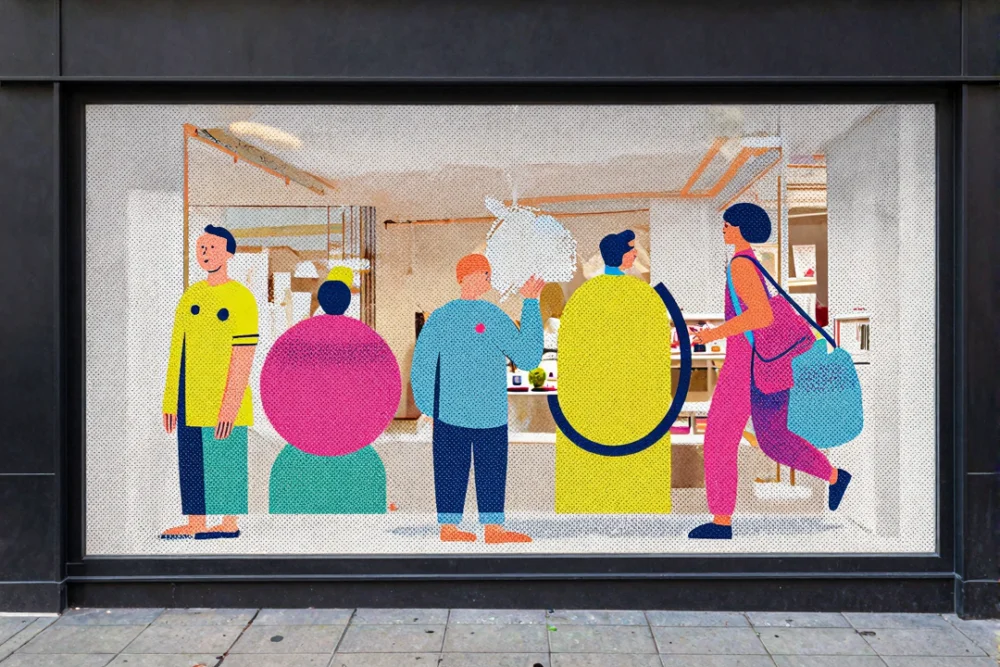
Perforated film allows for bold external advertising while maintaining visibility from the inside of the shop
Vendor Brief Checklist / Template
Window graphics Dubai are a crucial aspect of your retail branding, and a well-structured Vendor Brief helps clarify your requirements when seeking graphic design and printing services. This ensures that you communicate effectively with your suppliers. A well-defined brief can save time and resources while enhancing the quality of the graphics you receive. Below is a detailed checklist template that you can use to keep track of your graphic needs.
Key Takeaways
- A clear Vendor Brief helps ensure alignment between you and the supplier.
- Specify the type of graphics to meet your business goals.
- Include a realistic budget and timeline for effective project management.
- Collaborating smoothly streamlines the design and installation process.
- Regular updates can enhance the project flow and adaptability.
| Vendor Name | Contact Person | Project Scope | Type of Window Graphics | Budget | Timeline |
|---|---|---|---|---|---|
To enhance the usefulness of your Vendor Brief template, here are specific details you can include in each section:
Vendor Name
Document the name of the vendor or company you are working with. This helps keep track of multiple suppliers if you are considering more than one option. Verify if they specialize in window graphics Dubai, especially if you want features like perforated film or frosted vinyl, which can vary among providers.
Contact Person
Identify a specific contact person within the vendor’s company. This ensures there is a direct line of communication for questions, updates, and clarifications, which is vital for seamless interactions.
Project Scope
Detail what you need, whether it’s a large-scale window mural or static clings. Explain the desired impact and objectives. For instance, are you aiming to promote a new product launch or increase foot traffic during a sale? Clearly articulating the scope can also include discussing high-quality materials and compliance with local regulations.
Type of Window Graphics
Indicate the kind of graphics you want, such as opaque vinyl for branding or perforated film for advertisements. This helps to ensure that you receive samples or proofs that match your specifications. Note: if you’re uncertain of the best type for your needs, consider referencing 5 Essential Tips for Top-Quality Sticker Printing in Dubai to inform your decision.
Budget
Provide a clear budget range for the project. Indicate whether this includes installation costs, which can impact the final amount if not specified early on. Clarifying budget expectations helps the vendor propose options that align with your financial parameters. Remember to consider that high-quality vinyl graphics can be more durable, potentially offering better value.
Timeline
Outline your project timeline, including when you need the graphics installed. Specify critical dates, including launch dates for campaigns or seasonal decorations. Being clear about timelines allows the vendor to manage resources effectively and avoid last-minute challenges.
Regular check-ins during the project can help ensure everything remains on track. If you are particularly focused on a certain promotional season or event, make sure that is communicated upfront to emphasize urgency.
Clearly outlining expectations through this brief facilitates smooth collaboration, ensuring all parties are aligned on deliverables and timelines. By utilizing this structured approach, you can enhance the quality and effectiveness of your window graphics, making them a powerful marketing tool in your retail space.
Frequently Asked Questions
What are window graphics for businesses?
Window graphics are custom visual displays made from durable vinyl film that are applied to glass surfaces. They serve as versatile branding tools, offering a way to communicate messages or enhance brand visibility without permanently altering the glass.
What types of window graphics are available for businesses?
Common types of window graphics include opaque for full coverage, perforated film for one-way visibility (seeing out from inside), frosted vinyl for added privacy while still letting light through, and static clings which are best for temporary or seasonal displays as they use no adhesive.
How are window graphics typically installed?
Installation methods vary by graphic size. Large graphics usually require a wet method, using a slip solution for precise positioning. Smaller decals often use a dry method, where the backing is partially peeled before squeegeeing the graphic flat. The “hinge method” can also be used for accurate alignment.
What color schemes are recommended for retail signage or shop fronts?
For retail signage and shop fronts, subtle color schemes are generally recommended. This includes rich dark colors or pale/off-white hues, which are traditionally fitting. It is advised to use only one or two colors, as more can appear garish and confusing to the eye.
What security options are suitable for shop fronts?
Roller shutters are generally not permitted for shop fronts as they can deaden the street scene. Instead, security can be achieved by installing open mesh shutters on the inner face of windows, which offers protection while maintaining visual appeal.