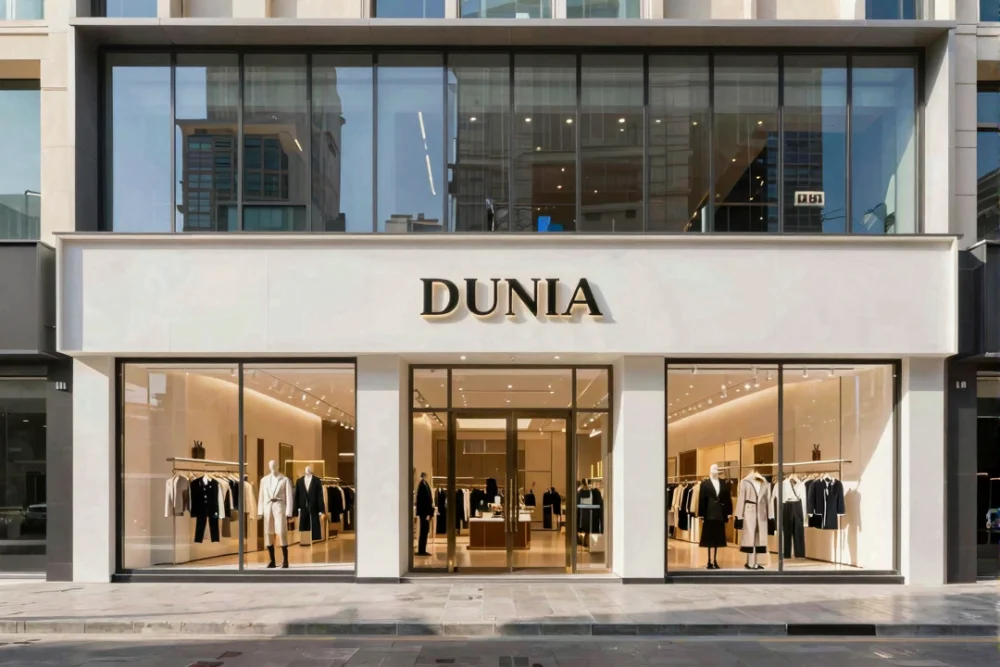
The Importance of Retail Signage in Dubai
Retail signage Dubai plays a crucial role in enhancing brand visibility and driving sales for businesses in the UAE. Effective signage acts as a silent salesperson, drawing in customers and guiding them through their purchasing journey. In a competitive market like Dubai, where consumers are bombarded with options, having attractive and functional signage is imperative for standing out.
Signage not only contributes to first impressions but also shapes customers’ perceptions of quality. According to studies, 76% of consumers have entered an unfamiliar business solely because of its sign, and good signage can boost sales by up to 30%. This makes investing in quality retail signage one of the most significant marketing strategies for retailers.
To maximize the impact of your retail signage, it’s important to consider various factors such as location, design, and compliance with local laws. For instance, a well-placed sign with vibrant graphics can draw attention from far away, while compliance with Dubai’s regulations ensures that your signage remains standing and effective. Your sign should convey a clear message and reflect your brand identity effectively.
Key Takeaways
- Retail signage is essential for attracting customers and enhancing sales.
- High-quality signage can increase sales by up to 30%.
- Appealing visuals significantly improve brand perception among consumers.
- Most consumers judge the quality of a store based on its signage.
- Placement, design, and local compliance are critical for effective signage.
Creating First Impressions with Signage
The first impression a customer has of your business often comes from your signage. An eye-catching storefront sign can invite potential customers to explore your offerings. For example, a coffee shop with a chic, modern sign will attract a different demographic than one that chooses a more traditional approach. Ensuring that your signage matches the aesthetic and values of your brand is crucial.
Also, a clear and concise message is vital. A sign that explicitly conveys what your business offers—like “Freshly Brewed Coffee” or “Exclusive Fashion Boutique”—will catch the attention of pedestrians and invite them in. Moreover, contrasting colors enhance visibility; a bright icon or text against a darker backdrop can draw attention quickly.
Guiding Customers with Effective Signage
Beyond first impressions, signage serves as a guide through the customer’s journey within your establishment. Directional signs, such as “Restroom this way” or “Sale in Aisle 3,” are important for enhancing the customer experience. Effective navigation signage minimises confusion and helps create a more pleasant shopping experience, increasing the likelihood of purchase.
With the right approach, signage can reduce dwell times in areas where customers might become confused. Implementing wayfinding signage is especially beneficial in larger spaces, like malls or multi-store complexes, improving overall customer satisfaction.
For retailers, effective signage translates to concrete financial benefits. For example, point-of-sale signage, such as promotional banners or display stands, can significantly influence a customer’s decision to buy, often impacting up to 85% of purchases at checkout. Therefore, making sure these signs are attractive and clearly communicate benefits can lead to increased sales, providing a strong return on investment.
Leveraging Signage as a Marketing Tool
In Dubai’s vibrant retail landscape, leveraging signage as a marketing tool can enhance brand awareness. Consider **digital signage**, which allows for real-time updates and promotional content tailored to current events or sales. For instance, displaying limited-time offers can create a sense of urgency among customers, motivating them to make a purchase before the deal expires. This adaptability can significantly enhance customer engagement and result in higher conversion rates.
Sustainability is another growing trend in Dubai’s retail environment. Eco-friendly signage solutions not only align with consumer values but also demonstrate a commitment to sustainability. This includes opting for materials like recycled paper or biodegradable substrates, appealing to a conscientious customer base. Businesses that prioritize eco-friendly practices tend to attract consumers who value corporate responsibility.
Providers like GFX Printer offer several options for businesses looking to enhance their signage solutions while being environmentally responsible, making it easier to find solutions that suit your brand aspirations.
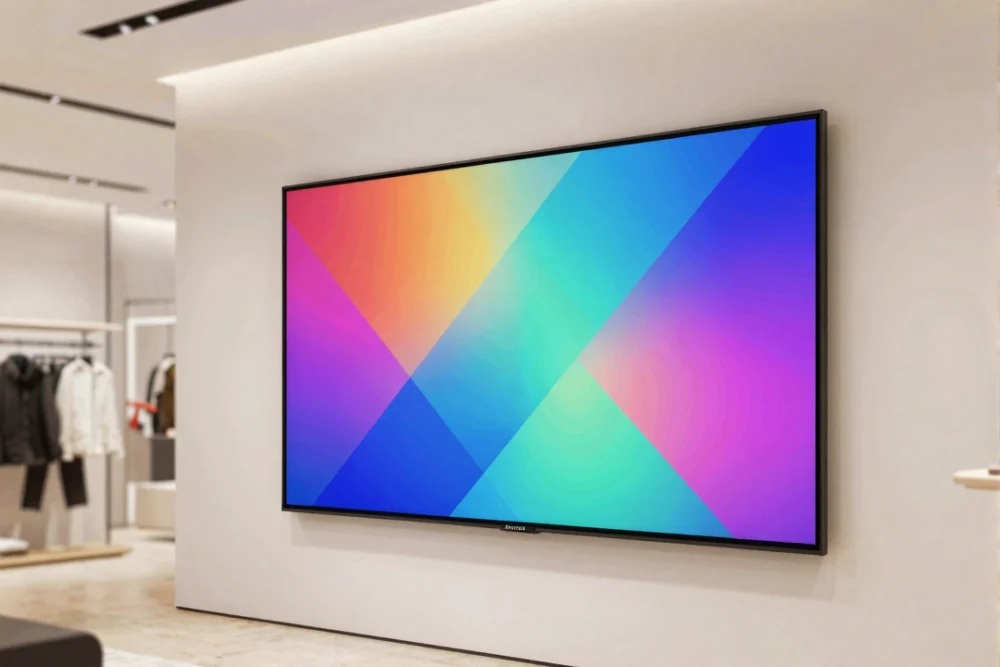
Advanced digital signage used inside a retail space to engage shoppers with dynamic visual content
Types of Retail Signage
Understanding the various types of retail signage Dubai offers is crucial for businesses that want to optimize their marketing strategies effectively. Each form of signage serves specific purposes, from attracting foot traffic to facilitating navigation inside stores and enhancing the shopping experience.
Key Takeaways
- Different types of signage are tailored for various functions and settings.
- Exterior signage should comply with local laws, including Arabic text requirements.
- Point-of-sale signage significantly influences last-minute purchasing decisions.
- Digital signage enhances customer engagement with its ability to provide real-time information.
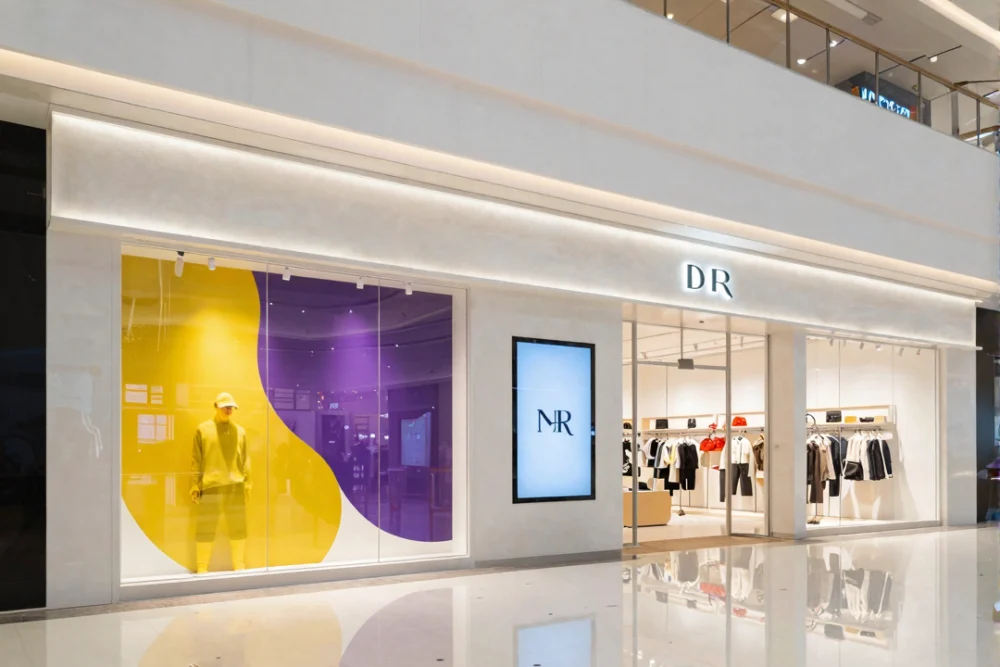
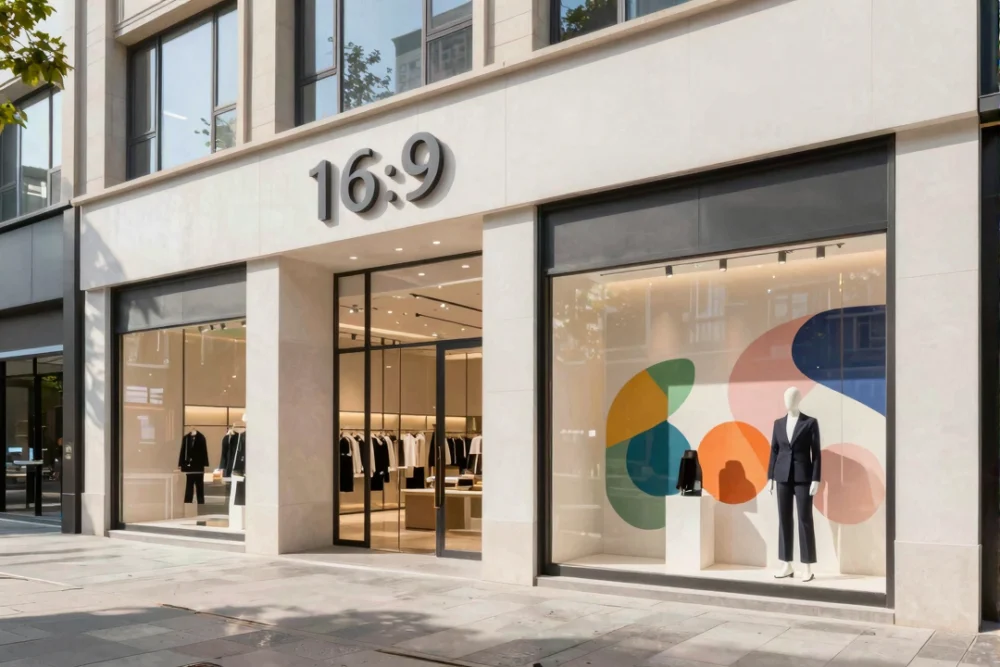
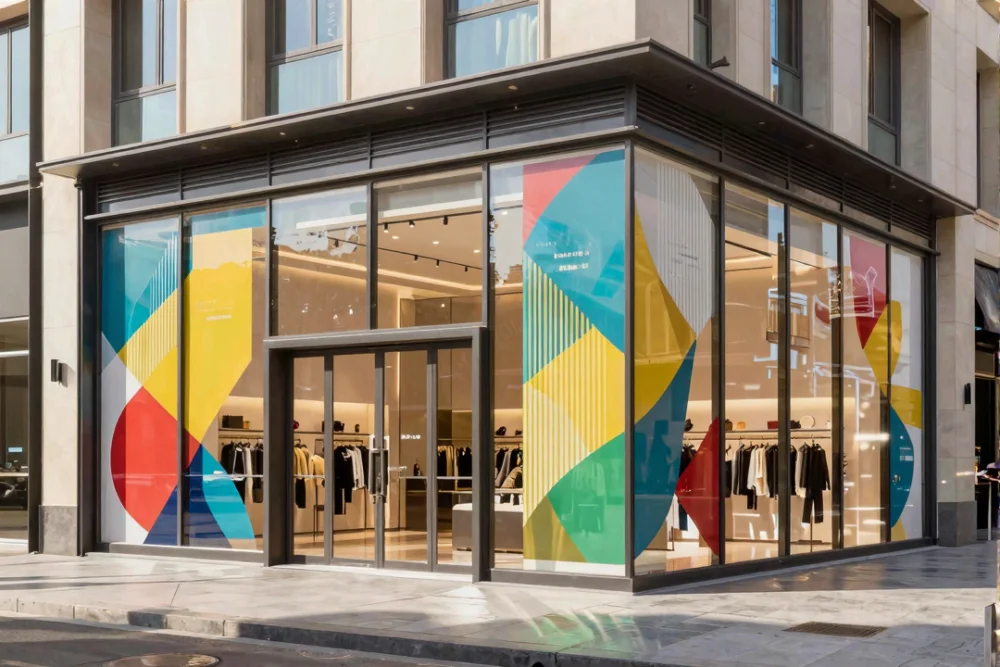
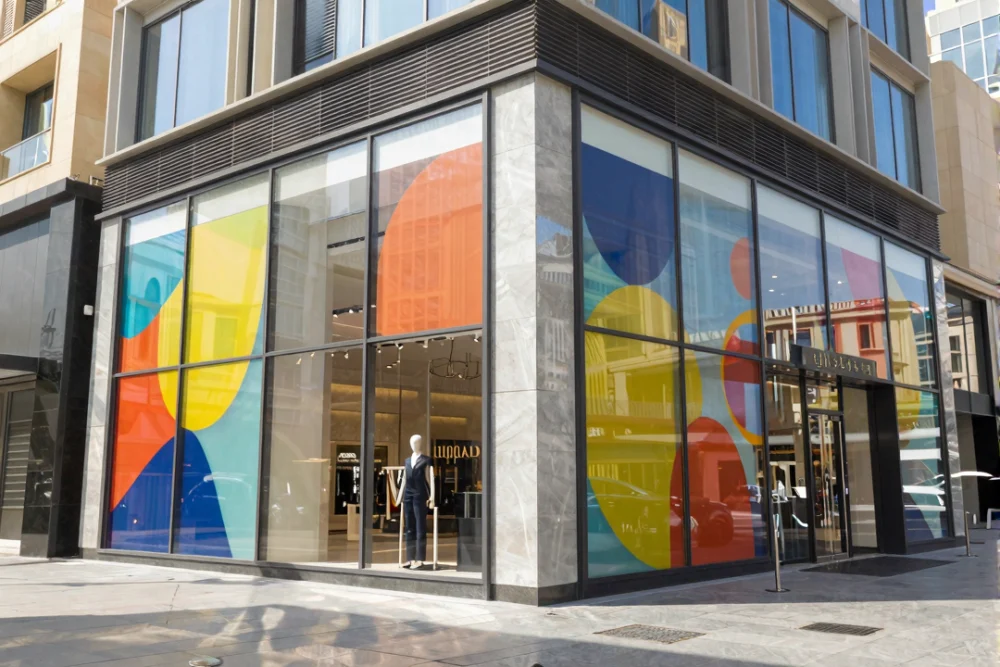
- Exterior Signage: Exterior signage encompasses storefront signs, banners, and window displays designed to attract attention from passersby. These signs are the first impression customers get of your brand and should effectively reflect its ethos. For instance, a chic boutique might use elegant lettering and soft colors, while a fast-food restaurant might favor bright colors and bold letters. It’s essential to adhere to local regulations, such as the requirement to include Arabic text, which must be equal in size or more prominent than the English text. Effective exterior signage can drastically increase foot traffic; accomplishing this involves not only design elements but also optimal placement to maximize visibility.
- Point-of-Sale Signage: Located at checkout areas, point-of-sale signage can feature promotions, pricing, or product information. These signs play a vital role in influencing last-minute purchasing decisions. Studies indicate that effective point-of-sale displays can influence up to 85% of customer purchases. To enhance effectiveness, use eye-catching visuals combined with concise wording. For example, a visually striking sign that reads, “Today Only: 20% Off!” can entice customers to add that extra item to their cart. Ensure that these signs are positioned conveniently at the checkout to grab attention while customers are finalizing their purchases.
- Digital Signage: Digital signage has revolutionized retail environments by offering interactive displays, which can be updated with real-time information. They are particularly advantageous during promotional events, as changes can be made instantly to showcase current offers, ensuring customers always see the most relevant information. Research indicates that businesses using digital signage can experience sales boosts of up to 33%. For instance, a retail store might implement a digital screen displaying images of new products or upcoming sales, alongside fun animations to keep customers engaged. It’s important to maintain a clean and user-friendly interface to avoid overwhelming viewers.
Comparing Signage Types
Choosing between various types of signage requires careful consideration of your business goals. Exterior signage primarily serves to attract customers, while point-of-sale and digital signage enhance the shopping experience within your store. To select the best option for your needs:
- Identify Your Audience: Understand who your customers are and what attracts them.
- Assess Your Space: Consider the layout and visibility of your store. Will your signage be seen from afar, or does it need to be eye-level?
- Set Clear Objectives: Determine what you want to achieve with your signage—say, more foot traffic or increased last-minute sales.
- Stay Compliant: Ensure your signage follows local regulations before installation. Confirm with experts if needed.
Practical Tips for Effective Signage
To optimize the effectiveness of your retail signage, consider the following practical tips:
- Use high-contrast colors to increase visibility from a distance.
- Keep the message short and focused—too much text can dilute the impact.
- Regularly update promotional signage to keep the content fresh and relevant, especially for digital displays.
- Test different designs to see which ones resonate most with your customers. Use A/B testing where applicable.
Each type of signage has its unique advantages that can significantly contribute to a brand’s visibility and sales boost. With the right strategy, businesses can leverage retail signage to not only enhance the customer experience but also drive significant revenue growth. Providers like GFX Printer offer various services to help businesses realize their signage needs effectively.
Choosing the Right Signage for Your Business
Selecting the appropriate type of retail signage Dubai involves understanding your brand, target audience, and the local regulatory landscape. It’s essential to align your choice with marketing objectives while complying with local laws. Here are some key considerations:
- Visibility: Consider your business location and foot traffic. High-visibility areas, such as busy streets or popular malls, necessitate larger and more eye-catching signs to attract attention. For example, a brightly colored storefront sign with bold lettering can stand out in a crowded area, capturing the interest of potential customers walking by. Conversely, quieter locations may benefit from more subtle signage solutions like tasteful window displays that invite curiosity without overwhelming passersby.
- Compliance with Regulations: Compliance with local regulations is crucial; all outdoor signage in Dubai must display bilingual text (Arabic and English). Understanding these regulations not only helps avoid unnecessary fines but also ensures your business is perceived as a responsible entity. Consulting with the Dubai Development Authority can provide clarity on requirements.
- Brand Representation: Your signage should reflect the core values and identity of your business. Use colors, logos, and fonts that match your branding for a cohesive look. For instance, if your brand is focused on eco-friendliness, consider using sustainable materials for signage. This approach not only communicates your brand message effectively but also enhances customer trust and loyalty.
Keep an eye on competitors in your vicinity, as their signage choices can offer insights into effective strategies in your specific market. Are they using digital displays, or are they opting for classic wooden signs? Observing their performance can give you valuable clues about what works and what doesn’t.
Key Takeaways
- Choose signage based on visibility needs and audience preferences to ensure maximum impact.
- Ensure compliance with local regulations, such as bilingual requirements, to prevent penalties.
- Align your signage choices with your marketing goals and the store’s location to enhance effectiveness.
- Consult local authorities for guidance on regulations to avoid the costs associated with non-compliance.
- Monitor competitor signage to identify trends and tactics that can inform your own strategy.
Designing Effective Retail Signage
Retail signage Dubai is a powerful tool for attracting customers and communicating essential information. Design is key to ensuring that signage is not only functional but also eye-catching. Effective signage should communicate a message clearly and quickly to potential customers. Here are prime design elements to consider:
- Color Contrast: High contrast between colors improves readability and impact. For instance, dark text on a light background tends to be easier to read from a distance. Research shows that signs with higher visibility can greatly increase foot traffic, making your signage more effective. Consider utilizing bold colors from your brand palette for enhanced recognition and visibility.
- Font Selection: Using simple, sans-serif fonts promotes quicker understanding. Aim for a message that can be read within 2-3 seconds, typically involving no more than 8 words. Avoid decorative fonts that might compromise legibility. A font size of at least 4 inches is recommended for maximum readability from afar. You can use graphics to enhance your messages while keeping them easy to read.
- White Space: Maintaining a clean layout with about 30-40% white space helps avoid clutter and draws attention to the message. Signs that are easy on the eye are more likely to be read and understood. Overloading a sign with information can cause customers to disengage. Aim for a layout where the eye is naturally drawn to the most important details.
- Active Messaging: Use action-oriented language. Phrases like “Shop Now” or “Limited Offer” are more engaging and prompt customers toward action. This can create a sense of urgency, encouraging immediate engagement. Incorporating calls-to-action (CTAs) is essential in driving customer response.
- Visual Elements: Incorporate relevant images or graphics that complement the text. For example, if you have a sale, consider using imagery that resonates with the offer. Attractive visuals can increase attention and convey your message more effectively, providing additional context to your signage.
Key Takeaways
- Use high-contrast colors for maximum visibility to capture attention quickly.
- Limit word count to ensure quick comprehension and readability.
- Avoid cluttering signs with excessive information for better focus.
- Position signs at eye level for greater impact and visibility.
- Incorporate engaging visuals to enhance understanding and attract customers.
The Role of Signage in Brand Identity and Customer Experience
Retail signage Dubai serves more than functional purposes; it’s a critical component of a business’s brand identity. Consistent branding fosters trust and facilitates recognition among customers. Signage communicates not just what a store offers, but also conveys the brand’s values and message. Here’s how to enhance brand identity through effective signage:
Key Takeaways
- Effective signage strengthens brand identity and fosters trust among customers.
- Consistency in design and messaging enhances overall customer experience.
- Incorporate interactive elements like QR codes for deeper customer engagement.
- Monitor and gather customer feedback to continually improve signage effectiveness.
- Consistency in Messaging: Use the same colors, logos, and fonts for signage as you would on your website and other marketing materials. This creates a unified look that customers can easily recognize. Consistent branding is not just about visual aesthetics; it is also crucial because 47.7% of consumers find signage advertising highly effective for brand awareness. Ensure that your retail signage aligns closely with your overall marketing strategies to reinforce your brand identity.
- Positioning and Placement: The location of your signage within your store is critical for customer experience. For instance, placing promotional signage at eye level can catch customers’ attention instantly, while clear directional signs can reduce confusion and improve navigability in larger stores. Signs should be strategically placed to guide customers through the store seamlessly, reducing friction points in their shopping journey. For effective orientation, ensure that your wayfinding signage is clearly visible from multiple angles.
- Incorporating Technology: In today’s digital age, consider integrating elements like QR codes into your signage that link to further information or online promotions. This not only captures interest but also enhances interactivity. Research shows that interactive displays can lift sales conversion rates by 15-30%. Such technology encourages customer engagement and provides opportunities for upselling by guiding customers to additional products and special offers.
- Feedback and Adaptation: It’s essential to be proactive in monitoring customer interactions with your signage. Collect feedback through methods like customer surveys or by observing foot traffic patterns. This data can inform future signage decisions, allowing you to adapt to customer preferences and behaviors effectively. By continually improving your signage based on real customer experiences, you can enhance satisfaction and retention.
Incorporating these elements effectively can transform your retail signage into a powerful tool for brand identity and customer experience, ensuring that your business stands out in the competitive Dubai market.
Compliance and Regulations in Dubai
Compliance with retail signage Dubai regulations is mandatory for any business operating in the UAE. The Dubai Municipality enforces guidelines to ensure that signage is functional, safe, and culturally appropriate. Adhering to these regulations not only avoids legal issues but also promotes a positive brand image. Here’s what to keep in mind:
- Mandatory Bilingual Text: All outdoor signage must prominently feature Arabic text, which should be equal in size or larger than any English text. This is crucial for meeting local legal requirements. Failing to do so can lead to immediate rejection of signage applications and costly fines. Businesses can enhance customer connection and enhance local acceptance by emphasizing Arabic text.
- Cultural Sensitivities: The content and imagery used in signage must respect local cultural values. Avoid using images, phrases, or cultural references that may be deemed inappropriate or offensive. For example, avoid depicting alcohol, gambling, or explicit imagery, as it contradicts local cultural norms. Strive for designs that resonate positively with both residents and tourists.
- Visibility and Safety: Your signage should be located so that it does not obstruct pedestrian pathways or create any safety hazards. Signs that interfere with traffic flow or visibility can lead to hefty fines and potential legal action. Consider conducting a site assessment to determine optimal placement that maximizes visibility while ensuring public safety. Consultation with local traffic authorities may provide additional guidance.
- Consultation: Always consult with local authorities for the latest compliance guidelines as regulations may evolve. Regularly check with the Dubai Municipality or relevant agencies to ensure adherence to the most current rules. Seeking consultation before installation can facilitate smoother approvals and save costs in the long run.
Key Takeaways
- All signs must include Arabic text to comply with local laws and enhance customer connection.
- Be acutely aware of cultural sensitivities in signage design to prevent negative perceptions.
- Ensure signs do not obstruct pedestrian pathways or traffic flow for public safety.
- Consult with local authorities regularly for the latest compliance guidelines to avoid penalties.
Latest Trends in Retail Signage in Dubai
Retail signage Dubai is rapidly evolving, with a strong emphasis on integrating technology and innovative strategies to enhance customer engagement. Keeping up with these trends not only boosts visibility but also fosters a better consumer experience, which is crucial for maintaining competitive edge in the flourishing Dubai market. Below are some of the latest trends you should consider:
- Interactive Displays: Integrating AR technology and touchscreens has become increasingly popular. These displays allow customers to engage dynamically, offering enriched shopping experiences through virtual try-ons or interactive maps. Businesses employing smart signage can see foot traffic increases of 20-35%, significantly driving sales. For example, a beauty retailer could use an AR mirror to let shoppers virtually try on make-up, thereby enhancing customer interaction.
- Sustainability: The use of eco-friendly materials for signage is more than a trend; it’s becoming a brand requirement. As consumers become more environmentally conscious, businesses that adopt sustainable practices can cultivate enhanced customer loyalty. Consider using recycled materials or biodegradable options for signage, which not only attract eco-minded customers but also align with Dubai’s increasing focus on sustainability.
- Data-Driven Signage: Businesses now leverage data analytics to create an informed signage strategy. Analyzing peak traffic times enables retailers to tailor messages for specific times, ultimately optimizing potential sales during busy periods. For example, a food outlet might display breakfast options in the morning and switch to lunch promotions during midday rush hours. Understanding consumer behavior is key to maximizing effectiveness.
- Digital Integration: The blending of various media formats is essential for modern signage. Incorporating social media elements with physical signage creates a cohesive marketing strategy that captures wide audience attention. For instance, a retail outlet might utilize QR codes on window displays that lead customers to exclusive offers on social media, increasing engagement. This approach helps link the in-store and online shopping experience, driving traffic across platforms.
Key Takeaways
- Integrate interactive displays to enhance customer engagement and drive sales.
- Focus on sustainability by selecting eco-friendly materials for signage to build customer loyalty.
- Leverage data analytics to inform your signage strategy for maximizing effectiveness during peak times.
- Utilize digital integration to create a cohesive marketing presence across both physical and online platforms.
Vendor Brief Checklist for Signage Procurement
When seeking to enhance your brand visibility through retail signage Dubai, having a well-defined checklist is essential. This method keeps you organized and ensures that all your objectives are fulfilled. Here’s a detailed checklist customized for businesses:
| Checklist Item | Description |
|---|---|
| Sign Type | Specify whether you need exterior, point-of-sale, or digital signage. Each type serves distinct purposes, so understanding your business needs is crucial. For instance, exterior signage can attract foot traffic, while digital signage offers flexibility and can engage customers through real-time updates. |
| Size and Material | Determine the dimensions required based on location and visibility. For outdoor signs, opt for weather-resistant materials like marine-grade aluminum for longevity. The size should be appropriate for the viewing distance; larger fonts are necessary for sidewalk visibility while smaller signs may suffice indoors. |
| Compliance | Confirm that all signage adheres to local regulations, including bilingual requirements. In Dubai, Arabic text must be equally sized or larger than English text. Non-compliance can lead to fines and delays in installation, so ensure your design meets all criteria before proceeding. |
| Design Compatibility | Check that the signage design reflects your brand identity and messaging. Use high-contrast colors for visibility, and ensure your design follows consistent branding elements such as logos and fonts. You can enhance engagement by incorporating interactive features like QR codes. |
| Installation | Discuss installation specifics, including any required permits and timelines with the vendor. Understanding how your sign will be installed can save you time and prevent potential issues. Ensure the vendor has experience in providing custom solutions suitable for the Dubai environment. |
In addition to this checklist, keep a record of all communications with your supplier. This helps ensure clarity around your specific needs and compliance requirements, reducing the risk of miscommunication during the procurement process. Be proactive in your engagement; confirming details early allows for smoother transactions and successful project outcomes.
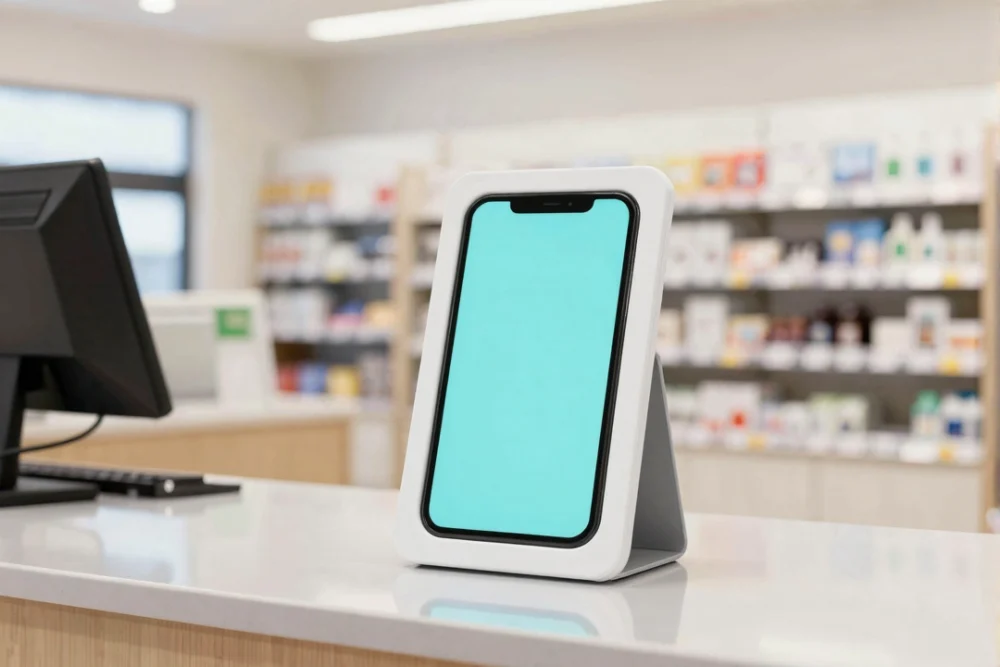
Strategic point of sale signage placed near the checkout to influence final purchasing decisions
References
- Advertising Permit | Dubai Development Authority — Dubai Development Authority — Advertising Permit
- International Code Council and Dubai Municipality Sign MOU — ASPE Pipeline — 2023-05-17 — International Code Council and Dubai Municipality Sign MOU
- Top Safety Guidelines for Installing Signage in Dubai: What You Need to Know — Brand Me Advertising — 2025-03-26 — Top Safety Guidelines for Installing Signage in Dubai
- Why In-Store Digital Signage Drives Sales | Retail Media Evidence — onQ Digital Group — Why In-Store Digital Signage Drives Sales
- Signage Tips to Attract More Foot Traffic – IHL Group — IHL Group — 2025-01-16 — Signage Tips to Attract More Foot Traffic
Frequently Asked Questions
Do businesses need a permit for advertising in Dubai?
Yes, businesses looking to install retail signage in Dubai within the Dubai Development Authority (DDA) jurisdiction require an advertising permit. The DDA offers an online process for permit applications, which includes submitting documents, paying fees, and receiving feedback via email.
What is the application process for a DDA advertising permit?
The Dubai Development Authority (DDA) processes advertising permit applications online. After submission, registered applicants receive an email confirmation. For re-submission applications, applicants must include their DDA Number (REQ Number). The DDA provides feedback via email by the designated follow-up date.
How does bilingual signage affect shopper behavior?
Bilingual signage positively influences shoppers, encouraging them to engage with and purchase from a store. It also creates favorable impressions of authenticity, inclusiveness, and interestingness, directly shaping how shoppers evaluate the stores they represent.
How are building product standards managed in Dubai?
Dubai Municipality collaborates with the International Code Council (ICC) to streamline the acceptance of building product compliance reports. This collaboration, formalized by an MOU, ensures innovative building products meet locally enforced regulations and aligns with the Dubai Strategic Plan 2030.