Understanding Sticker Materials: Choose the Right Base
Sticker printing in the UAE requires careful consideration of materials to ensure durability and functionality for specific applications. The right choice not only enhances the visual appeal but also contributes to the longevity of the stickers in varied environments. Here are the key materials to consider:
Key Takeaways
- Vinyl: Best for outdoor durability, lasting 3 to 5 years.
- Paper: Cost-effective but suited for short-term indoor use.
- Eco-Friendly Options: Sustainable materials that appeal to environmentally conscious consumers.
- Surface Compatibility: Always check material suitability for the intended application.
- Vinyl: A leading choice for many businesses, vinyl stickers are preferred for their exceptional durability. They possess water and UV resistance, making them perfect for outdoor applications. For instance, cast vinyl can last between 3 to 5 years in harsh climates like UAE. Not only can they withstand significant sun exposure and moisture, but they also adapt well to various surfaces, including vehicles, walls, and outdoor signage. This adaptability makes them a go-to for promotional campaigns aiming for longevity.
- Paper: Paper stickers offer a budget-friendly alternative. While they are often less expensive, they are generally not water-resistant, which makes them better for indoor use. They work well for temporary applications, such as event promotions or product information labels. For instance, using paper stickers for a product launch can effectively engage your audience without high costs. However, these stickers may need to be replaced more frequently due to wear in a short timeframe.
- Eco-Friendly Options: Sustainable materials, including recycled paper and biodegradable plastics, are gaining traction among consumers and businesses alike. Choosing these materials allows businesses to reduce their environmental footprint and appeals to a growing demographic of eco-conscious customers. For example, opting for eco-friendly sticker printing not only showcases your brand’s commitment to sustainability but also enhances its marketability. If your business focuses on green practices, consider eco-friendly sticker printing as part of your branding strategy.
When selecting materials, consider factors beyond just cost. Assess the longevity, quality, and environmental impact of the stickers. Understanding these aspects helps ensure that you choose a material that aligns well with the intended use and the environment in which the stickers will be placed.
Tip: Always confirm with your supplier about the compatibility of the sticker material with local conditions to avoid premature wear and tear. Factors like extreme temperatures and humidity in the UAE can significantly affect the performance of different sticker materials.
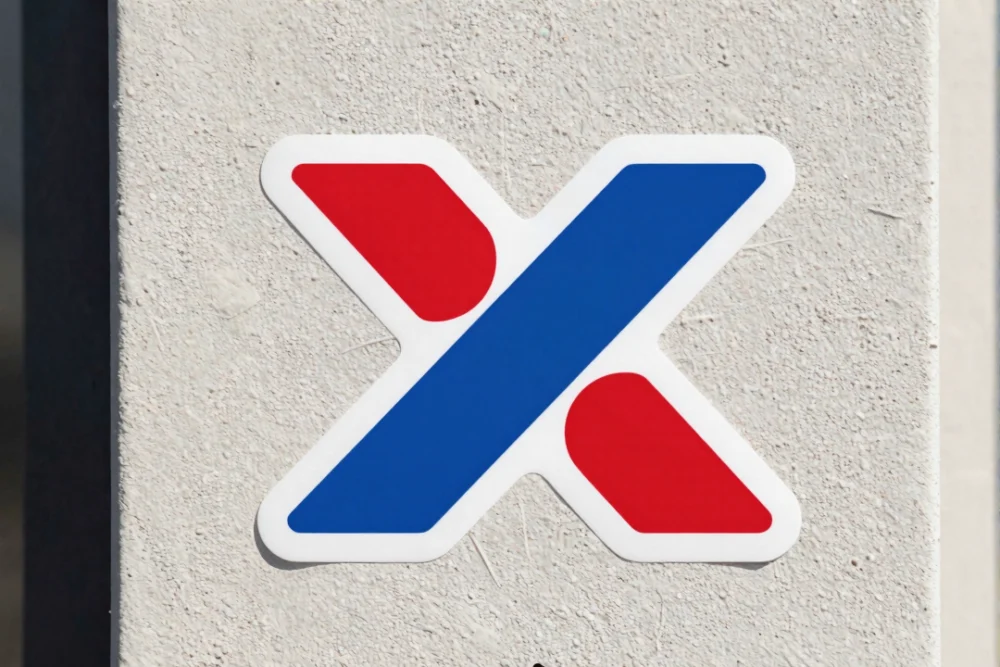
A durable vinyl sticker designed to withstand harsh outdoor conditions and maintain its quality over time
Design Tips for Stickers: Ensure Visual Appeal
Sticker printing in the UAE is an excellent way to enhance brand visibility. Effective sticker designs can significantly influence consumer perception and engagement. To create appealing stickers that communicate your brand effectively, remember these key design principles:
Key Takeaways
- High Resolution: Keep designs at least 300 DPI to avoid pixelation.
- CMYK Color Mode: Always use CMYK to ensure accurate color printing.
- Negative Space: Utilize white space for improved readability.
- Vector Formats: Create stickers in vector formats to enable easy resizing.
- Bleed Zone: Include a bleed zone to maintain clean edges.
- Use High Resolution: Ensure your designs are at least 300 DPI to maintain clarity and prevent pixelation when printed. This is especially important for intricate images or small text, as low-resolution designs can lead to blurry outputs, diminishing the appeal of your branding efforts. For example, logos and taglines should be crisp and clear to convey professionalism.
- Stick to CMYK: Always work in CMYK color mode. This color system is specifically designed for print media, ensuring your stickers appear vibrant and as intended. Using RGB can result in unexpected color shifts when printed, leading to dissatisfaction. As a rule, check that the colors you design are represented in the CMYK spectrum to maintain brand consistency.
- Incorporate Negative Space: Use white space strategically to balance elements and enhance readability. A common design pitfall is overcrowding, which can make stickers difficult to understand at a glance. For instance, a busy background might distract from a concise message. Effective use of negative space allows your main concepts to stand out, making them easily graspable by potential customers.
How to Do It: Create designs in vector formats such as AI (Adobe Illustrator) or SVG (Scalable Vector Graphics). These formats allow your stickers to be resized easily without any loss of quality. This flexibility is essential, particularly if you intend to create various sizes of the same sticker for different applications. Additionally, make sure to include a bleed zone that extends at least 3 mm beyond the trim line. The bleed zone is crucial in producing clean edges on cut stickers, preventing any unsightly white borders.
Avoid: Overcrowding your design with too much text or multiple graphics, which can make stickers difficult to read, particularly from a distance. Simple, bold designs tend to perform better and catch attention more effectively. For example, using a maximum of two different fonts and limiting the information to a tagline and logo can create a striking impact. Always test your designs by viewing them at a distance to confirm legibility and overall appeal.
Consider Testing: Before finalizing your design, consider conducting a small test print. This step can help identify any color mismatches or elements that may not read well at the intended size. Providers like GFX Printer can assist with quality prints that showcase your design accurately.
Cost Factors in Sticker Printing: Budgeting Effectively
Sticker printing in the UAE involves various cost factors that can significantly influence your budget. Understanding these factors helps ensure you allocate expenditures wisely and effectively manage your branding strategy.
Key Takeaways
- Material Choice: Opt for durable materials like vinyl for outdoor use; weigh this against initial costs.
- Printing Method: Select between digital for small runs and flexographic for larger batches to maximize value.
- Design Simplicity: Keep designs clear and uncomplicated to fit your budget while still being eye-catching.
- Quotes & Comparison: Always gather multiple quotes to identify competitive pricing.
- Hidden Costs: Be aware of potential hidden fees for revisions and enhancements in your quote.
When considering sticker printing costs, several factors influence the final price:
- Material Costs: The choice of material can substantially affect your budget. For example, vinyl generally costs more than paper; however, it provides superior durability, especially in outdoor settings. Vinyl stickers, especially those made from cast vinyl, are resistant to wear, water, and UV rays, making them last between 3 to 5 years even in harsh climates like the UAE. Weighing the upfront costs against potential longevity and effectiveness is crucial for making a selection that aligns with your budget.
- Printing Methods: Different printing methods also play a significant role in your costs. Digital printing tends to offer higher quality for small runs, perfect for short-term campaigns. In contrast, flexographic printing is usually more cost-effective for larger orders, allowing for lower per-unit costs due to higher production volumes. Understanding these differences can help you choose the most suitable option for your needs, especially if balancing smaller budgets with large marketing campaigns.
- Design Complexity: The intricacy of your design can impact pricing as well. More detailed designs may necessitate higher-tier printing services and special finishing touches, such as embossing or spot UV coating, which can drive up costs. Keeping your designs clear and uncomplicated while ensuring they remain visually appealing can help fit within budgetary limits while still making an impact. Always consider how your design can effectively capture attention without incurring unnecessary expenses.
Recommendation: It is wise to get multiple quotes from different suppliers to ensure competitive pricing. This practice allows you to evaluate the costs based on your specific project requirements effectively. For example, you might find that a local provider offers better rates or turnaround times than a national chain, specifically tailored to Sticker Printing in Dubai: DIY vs. Professional Services (What You Need to Know).
Tip: Don’t overlook potential hidden fees, such as those for design revisions or enhancements to existing artwork. Some vendors might charge for proofs or changes after the initial quote. Always clarify full costs before finalizing the order to ensure your budget remains intact. Communication upfront can prevent surprises later, allowing for smooth project completion.
Compliance and Regulations: Avoid Legal Pitfalls
Compliance is fundamental when producing stickers, especially when they are intended for food products or vehicles. Sticker printing in the UAE must adhere to strict local regulations to avoid any legal issues. Here are the key points to consider:
Key Takeaways
- Food Labels: Must be in Arabic and contain all required information, such as ingredients and allergen warnings.
- Car Stickers: Approval from local authorities is mandatory to avoid fines of up to AED 500 (approx. USD 136) per day.
- Stay Informed: Understanding local laws is crucial for maintaining both consumer trust and safety.
- Consult Authorities: Engage with regulatory bodies like the Roads and Transport Authority (RTA) for guidance.
- Documentation: Always keep accurate and up-to-date documentation for compliance checks.
- Food Labels: Stickers used for food must comply with local regulations, requiring labels to include nutritional information and allergen warnings in Arabic. Ensure every detail is present and accurately translated. For instance, labels should clearly state the commercial name, production dates, and country of origin, helping consumers make informed choices while adhering to regulatory standards.
- Car Stickers: Placing car stickers without prior approval is illegal in the UAE. Violators can incur fines of up to AED 500 (approx. USD 136) per day. Always confirm with local authorities about regulations to prevent costly fines. This includes understanding specific restrictions on designs, such as prohibitions against stickers that cover license plates or are deemed distracting to drivers.
Importance: Adhering to these regulations is essential not only to avoid penalties but also to ensure consumer safety and trust. Research related laws, such as the Food Safety Legislation for food products or regulations specific to vehicle modifications, to ensure your stickers are compliant with local standards. Compliance not only protects your business but also enhances your brand’s reputation.
Tip: Always consult local regulatory authorities, such as the Roads and Transport Authority (RTA) in Dubai, before finalizing sticker designs that require approval. This precaution can save time and resources by ensuring that your designs meet all legal requirements. Additionally, consider implementing a compliance checklist when designing your stickers to streamline the approval process.
Pro Tip: Keeping an open line of communication with authorities can lead to quicker approvals and fewer misunderstandings during the sticker production process. This proactive approach is especially important for businesses looking to expand their promotional efforts locally.
Vendor Brief Checklist / Template: Define Your Needs
Sticker printing in the UAE can be complex, so having a structured vendor brief checklist is essential. This helps you communicate your requirements effectively and ensures that everything is clear from the outset. A well-defined checklist can significantly minimize misunderstandings and streamline the ordering process.
Key Takeaways
- Project Scope: Be precise with your needs to avoid potential issues during production.
- Design Specifications: Quality designs lead to better end products—provide clear guidelines.
- Budget: Clarity on your budget helps vendors tailor their solutions to fit your financial plan.
- Timeline: Stipulating deadlines ensures timely delivery and aligns expectations between you and your vendor.
Here’s a refined template to enhance your communication with potential sticker printing vendors:
| Item | Description |
|---|---|
| Project Scope | Clearly outline the number of stickers needed, sizes, and type (e.g., vinyl, paper). This helps vendors understand the scale of your project. For example, if you need 500 vinyl stickers for a campaign, mention the exact dimensions you prefer. The clarity on quantities and types will make it easier for vendors to provide accurate quotes. |
| Design Specifications | Provide design files, preferred sizes, resolution, and color specifications. Ensure designs are in vector formats (like AI or SVG) to guarantee scalability without loss of quality. Specify if you need designs in CMYK to align with the printing process. |
| Budget | Specify your budget range for comparison, including any expected costs for revisions. Sticking to your budget helps vendors suggest material and printing options that fit your financial plan. Consider including a buffer for initial extra costs like artwork adjustments. |
| Timeline | Include any deadlines that must be met for production and delivery. Providing a timeline ensures that vendors are prepared for your project schedule and can allocate appropriate resources. For example, if you need the stickers for an upcoming event, mention the event date so they understand urgency. |
Utilizing a structured checklist like this can help ensure all important aspects are addressed, reducing miscommunication and achieving desired outcomes. This tool is invaluable in outlining precisely what you need while adhering to local regulations.
For additional insights into effective sticker marketing, you might consider reviewing How to Boost Your Brand with Custom Stickers in Dubai. This resource can provide deeper context on leveraging stickers for marketing initiatives.

Stickers made from recycled and biodegradable materials used for sustainable product packaging
Eco-Friendly Sticker Printing: Sustainable Choices
Sticker printing in the UAE has evolved to include eco-friendly options that not only benefit the environment but also resonate with modern consumers. As sustainability becomes a requisition for business, consider the following sustainable choices for your sticker printing needs:
Key Takeaways
- Recycled Materials: Utilize recycled paper and biodegradable plastics to reduce your environmental footprint.
- Water-Based Inks: Choose inks that lower VOC emissions to promote better air quality in your print processes.
- Consumer Awareness: Recognize that 84% of consumers consider sustainability critical when making purchasing decisions.
- Supplier Verification: Always confirm the eco-friendly certifications of materials used to ensure compliance and transparency.
- Brand Reputation: Incorporating eco-friendly practices can foster customer loyalty and improve your brand’s image.
Recycled Materials: Opting for recycled paper or biodegradable plastics helps reduce environmental impact. Using these materials can enhance your brand’s image as environmentally responsible, attracting customers who prioritize sustainability. For example, when you select stickers made from recycled paper, you actively contribute to reducing waste and conserving resources.
Water-Based Inks: Consider using inks that produce lower VOC emissions. These inks not only support sustainability efforts but also enhance product safety, particularly for businesses involved in food packaging. Water-based inks are a cleaner option, minimizing harmful emissions during the printing process, which can subsequently lead to improved indoor air quality in workspaces.
Why It Matters: The demand for environmentally responsible products is rising. In fact, 84% of consumers now consider sustainability when making purchasing decisions. Aligning your sticker printing choices with these values can lead to enhanced loyalty, a strong brand reputation, and potentially increased sales. Offering eco-friendly stickers signals to consumers that your brand cares about the planet.
Tip: Always confirm with your supplier about the eco-friendly certifications of the materials they use. This ensures that your sustainability claims can be substantiated and transparent. For businesses looking to validate their commitment to sustainability, providing evidence of certifications can improve consumer trust and loyalty.
Warning: Ignoring sustainable options can alienate environmentally conscious consumers. Awareness of sustainability is growing, and failing to adapt to these expectations could damage your brand’s reputation. Consumer backlash can occur against brands perceived as environmentally irresponsible, so always consider eco-friendly practices when making sourcing decisions. To enhance your sustainability approach further, check out Why Choose Eco-Friendly Sticker Printing in Dubai? (and Why It Matters) for more insights.
By integrating eco-friendly practices into your sticker printing strategy, you will not only contribute positively to the environment but also strengthen your brand’s appeal in a competitive market.
Frequently Asked Questions
What are the mandatory language requirements for food labels in Dubai?
Food product labels in Dubai, UAE, must primarily be in Arabic. While English-Arabic bilingual labels are an option, the Arabic translation is mandatory for all food items. Companies can utilize stickers to add the required Arabic language content to their food labels.
Can stickers be used for food labels in Dubai?
Yes, companies are permitted to use stickers for food labels in Dubai. This allows businesses to translate food labels into Arabic, meeting the mandatory language requirements set by the Dubai Municipality. Using such sticker printing uae services offers essential flexibility for compliance.
What information must be included on food labels in Dubai?
Mandatory information for Dubai food labels includes the commercial name, ingredients listed in descending order, production and expiration dates, manufacturer details, a specific country of origin (not a region), storage conditions, and allergen warnings.
Are there any prohibited images or symbols for food labels in Dubai?
Yes, artwork on food labels in Dubai must comply with cultural standards. Strictly prohibited elements include alcohol, skeletons, images of women, and religious symbols. Using any of these in the artwork will lead to label rejection by the Dubai Municipality.
Is nutritional information mandatory on Dubai food labels?
No, under Dubai Municipality regulations, including nutritional information on food labels is optional. However, it’s crucial to ensure all mandatory details like ingredients, production and expiration dates, and allergen warnings are present to avoid non-compliance.