

Design and compliance workbench with mockups and document checklist for Dubai RTA rules
Define the scope of vehicle graphics dubai
Vehicle graphics dubai projects succeed when you define the scope before you design. Dubai SMEs use car graphics dubai to build recognition, van branding dubai to signal trusted service routes, and fleet branding dubai to unify visibility across multiple vehicles.
Start by deciding what each vehicle should achieve in a few seconds of view time. That one decision shapes the wrap format, content, approval path, and downtime plan. Keep the scope tight so every vehicle carries a clear, readable message.
Key Takeaways
- Define the vehicle goal first so the wrap format fits the campaign.
- Confirm RTA rules and approvals before any installation work.
- Choose UV- and heat-resistant materials to handle Dubai conditions.
- Plan approval and installation schedules together to reduce downtime.
- Use a vendor brief checklist to compare quotes with the same scope.
Why this matters: a clear scope protects budgets and avoids rework. How to do it: list your vehicles, the audience you want to reach, and the one action you want people to take. What to avoid: adding too many messages on one vehicle, which reduces impact and risks compliance issues.
Select a wrap format that fits your goal
Wrap format defines how much of the vehicle you brand and how long you plan to keep the message. Full wraps cover the entire exterior for the strongest visual impact. Partial wraps highlight selected panels and balance visibility with flexibility. Custom decals work well for short-term or seasonal promotions.
Why this matters: the format affects cost, approval scope, and installation time. How to do it: match the format to the campaign length and the vehicle’s role. For example, service vans often benefit from partial wraps that keep brand details in high-visibility areas, while flagship vehicles often use full wraps for a strong presence.
- Full wrap: best for long-term branding and fleet consistency.
- Partial wrap: useful when you need flexibility or faster updates.
- Decals: practical for short campaigns or quick promotions.
What to avoid: choosing a full wrap for a short campaign. This adds unnecessary cost and makes updates harder.
Confirm RTA compliance early
Dubai requires vehicle branding to comply with RTA rules before installation. The approval process protects safety, visibility, and cultural standards. You must secure approval before installation, and the final wrap must match the approved design exactly.
Why this matters: non-compliant wraps can lead to rejection, removal, or enforcement actions. How to do it: build compliance into the design stage, then submit through approved channels. If you want guidance, providers like GFX Printer can help you plan and submit properly while keeping the process simple.
What to avoid: installing first and applying for approval later. That is a high-risk shortcut in Dubai.
Know the design restrictions that affect layout
Design rules define where you can place graphics and what content you can show. You must keep windshields, headlights, taillights, license plates, and safety markings unobstructed. Materials must not protrude or alter the vehicle’s original design.
Content rules also apply. Designs must avoid offensive, discriminatory, political, or religious content. Dubai rules also prohibit 3D images, real people, flags, smoking symbols, and barcodes. Graphics must not appear on the windscreen or the front upper part of the vehicle.
- Use both Arabic and English in the design.
- Keep Arabic content at least half of the ad content.
- Limit images to a maximum of five per side.
- Use one-way vision film if you cover windows.
Why this matters: these restrictions shape your layout and can cause rejection if ignored. How to do it: run a compliance check before final artwork. What to avoid: adding prohibited imagery after the mockup is ready.
Prepare the approval documents
RTA submissions usually require a full mockup from all sides, a copy of your trade license, vehicle registration, and a formal request letter that explains the activity and campaign duration. Some cases also require before-wrap photos.
Additional approvals may apply. If the vehicle is rented, you need a No Objection Certificate from the rental or leasing company. If branding changes the vehicle’s original color significantly, you need approval from the Dubai Police investigation department. Real estate ads often require a Dubai Land Department No Objection Certificate. Ads must align with the activity stated on the trade license, and the trade name in Arabic must match the trade license exactly.
Why this matters: missing documents delay approval and increase cost. How to do it: use a document checklist and confirm extra approvals early. What to avoid: submitting without all required NOCs.
Choose materials built for Dubai heat
Dubai heat, intense sunlight, and sand create tough conditions for vehicle wraps. Material choice drives durability, appearance, and long-term value. High-quality vinyl built for UV exposure and high temperatures helps prevent fading, warping, and adhesive failure.
Why this matters: thin or low-grade materials degrade faster in Dubai. How to do it: choose thicker, durable films with protective layers that make cleaning easier. Lighter colors can also reduce fading by absorbing less heat.
What to avoid: choosing the lowest-cost vinyl without checking its UV and heat performance.
Compare material and durability factors
Use this comparison to set expectations and ask the right questions when you compare vendors.
| Factor | What to look for | Why it matters in Dubai |
|---|---|---|
| UV resistance | High UV protection | Prevents color fading in intense sun |
| Heat tolerance | Vinyl designed for high temperatures | Reduces warping and adhesive failure |
| Thickness and durability | Thicker, robust films | Holds up better against sand and dust |
| Protective surface | Easy-to-clean top layer | Improves maintenance and appearance |
Why this matters: material choice affects lifespan and maintenance. How to do it: ask suppliers for the material class and expected durability under Dubai conditions. What to avoid: comparing vendors without knowing which materials they use.
Set lifespan expectations and care rules
High-quality wraps can last several years when installed and maintained properly. Some sources note a lifespan of two to five years with proper care, while others indicate five to seven years and up to ten years under ideal conditions. These ranges vary based on material quality, exposure, and installation standards.
Why this matters: lifespan affects your replacement cycle and budget. How to do it: plan a maintenance routine and inspect wraps regularly. Use mild soap and warm water, avoid harsh chemicals, and reduce direct sun exposure when possible.
- Park in shaded areas or garages when possible.
- Clean with gentle methods to avoid surface damage.
- Inspect for early signs of peeling or bubbling.
What to avoid: skipping maintenance in dusty conditions, which speeds up surface wear.
Plan the installation and fleet logistics
Installation planning affects operations, especially for fleets. Approval timelines and installation duration can create bottlenecks if you do not plan ahead. Some RTA approvals take 5 to 7 working days, while other sources report 5 to 10 working days depending on design complexity and revisions.
Why this matters: scheduling mistakes can keep vehicles off the road longer than needed. How to do it: align approval, production, and installation so each step flows into the next. What to avoid: booking installation before you receive approval.
Align approval, installation, and operations
Installation timelines often range from 2 to 5 days depending on vehicle size and complexity. Build a timeline that includes design finalization, approval, production, and installation windows. If you manage a fleet, stagger installation to keep operations moving.
- Finalize compliant artwork and submission documents.
- Submit through an approved channel and track approval progress.
- Book installation after approval is issued.
- Stagger vehicles to maintain service continuity.
Why this matters: a smooth timeline reduces downtime and protects campaign deadlines. What to avoid: wrapping all fleet vehicles at once without a backup plan.
Handle temporary campaigns correctly
Temporary campaigns may follow different permit rules. Some temporary wraps under a day may not require full approval, but they still must avoid prohibited colors and safety violations. Temporary vehicle advertising often uses weekly-based fees, which affects planning and budget allocation.
Commercial advertising wraps may require advertising permits with ongoing renewals, while other permits can be valid for 6 to 12 months. Confirm the permit type and renewal needs before you launch a campaign.
Why this matters: the wrong permit can delay or stop a campaign. How to do it: match the permit to campaign length and vehicle use. What to avoid: assuming a short campaign is exempt from all rules.
Use the vendor brief checklist
A vendor brief checklist lets you compare quotes fairly and avoid surprises. It also helps vehicle branding companies in dubai understand exactly what you need so they can deliver a compliant, durable result. This is the fastest way to reduce back-and-forth during design and approval.
Why this matters: incomplete briefs produce inconsistent quotes and mismatched outcomes. How to do it: share the same checklist with every vendor before you request pricing.
| Checklist item | Acceptance criteria |
|---|---|
| Project goal and vehicle count | Clear list of vehicles, use case, and expected visibility outcome |
| Wrap format | Full wrap, partial wrap, or decals defined per vehicle |
| Artwork layout | Mockups from all sides with dimensions, colors, and placement |
| Language compliance | Arabic and English included, Arabic content at least half |
| Restricted areas | No coverage of windscreen, lights, plates, or safety markings |
| Restricted content | No 3D images, real people, flags, smoking symbols, or barcodes |
| Submission pack | Trade license, vehicle registration, request letter, and required photos |
| Extra approvals | NOCs for rented vehicles or special sectors where required |
| Installation plan | Indoor application with controlled conditions when possible |
| Final match to approval | Installed wrap matches approved artwork exactly |
Why this matters: a structured brief saves time and reduces approval risk. What to avoid: sending quotes without a full scope, even when finding suppliers near me in Dubai.
Evaluate car wrap dubai cost without guessing
Car wrap dubai cost varies based on vehicle size, design complexity, and material selection. Permit fees can also vary by vehicle type and size. This means two quotes may not be comparable if the scope is different.
Why this matters: budget decisions should reflect value, not just price. How to do it: ask for itemized quotes that separate design, materials, printing, and installation. Confirm the material grade and expected lifespan in Dubai conditions.
- Vehicle size affects surface area and material use.
- Complex artwork increases labor and production time.
- Premium vinyl costs more but lasts longer in extreme heat.
What to avoid: choosing a vendor based on price without confirming material quality and compliance support. If you want guidance on wrap types and scope, choose the right vehicle wrap for your business in Dubai before you request quotes.
Avoid common mistakes and compliance risks
Compliance risk can erase campaign value. Non-compliant wraps may trigger removal, rejection, or enforcement actions. Insurance claims may be denied if illegal modifications exist, so notification to your insurer matters.
Why this matters: avoidable errors create delays and unplanned costs. How to do it: use a final compliance review before printing and again before installation. If your vehicle is heavy or commercial, confirm any reflective sticker requirements for safety compliance.
- Do not install before approval.
- Do not deviate from approved artwork.
- Do not cover lights, plates, or safety markings.
- Do not use prohibited content or placement.
What to avoid: relying on a last-minute compliance check. Build compliance into the first draft and keep it consistent across all vehicles.
For practical guidance on branding fundamentals, read Vehicle Branding 101: Boost Your Visibility in Dubai and The Ultimate Guide to Choosing the Right Vehicle for Branding in Dubai.
Define the scope of vehicle graphics dubai
Many SMEs start with a single branded vehicle and then scale to a fleet. Your scope should cover three parts: vehicle type, message scope, and timeline. For example, a service van used daily may need a durable partial wrap, while a flagship company car might justify a full wrap for premium visibility.
Why this matters: the wrong scope can cause layout changes late in the process. How to do it: decide which vehicles must carry the most information and which can stay minimal. What to avoid: using one design for all vehicles without testing how the message fits each body shape.
If you need a starting point for vehicle formats, explore The Ultimate Guide to Car Wraps in Dubai: Boost Your Brand or compare fleet options through Vehicle Branding services.
Confirm RTA compliance early
Compliance involves more than a single approval. RTA approval ensures your branding is safe and visually appropriate before it appears on the road. Your design must remain consistent from mockup to final installation. The RTA can reject or request changes if anything conflicts with their guidelines.
Why this matters: one change in placement or wording can trigger re-submission. How to do it: keep the approved version as a locked reference and ask your installer to follow it exactly. What to avoid: letting production teams shift elements during installation for convenience.
To understand wrap options and limitations, review Vehicle branding: The Do’s and Don’ts and Car Wrap services.
References
- Vehicle Branding RTA Regulations ? ? Vehicle Branding RTA Regulations
- Vehicle Branding RTA Permit and Approval In Dubai ? Adstands Advertising ? 2024-07-24 ? Vehicle Branding RTA Permit and Approval In Dubai
- UAE Car Wrapping Laws: Everything You Need to Know Before Wrapping Your Car ? NeoFlex Advertising LLC ? 2025-08-13 ? UAE Car Wrapping Laws: Everything You Need to Know Before Wrapping Your Car
- 11 Pro Tips For Perfect Vehicle Wraps In Dubai ? Printzone Advertising LLC ? 2024-09-23 ? 11 Pro Tips For Perfect Vehicle Wraps In Dubai
- Vehicle Branding Dubai – Printajo ? ? 2025-09-06 ? Vehicle Branding Dubai – Printajo
- Choosing the Right Car Wrap Materials for Dubai’s Extreme Climate ? ? 2024-02-06 ? Choosing the Right Car Wrap Materials for Dubai’s Extreme Climate
- RTA Approval | Vehicle Branding Services in Dubai ? ? RTA Approval | Vehicle Branding Services in Dubai
- Advertising on Vehicles in Dubai: Legal Guidelines ? ? 2024-11-02 ? Advertising on Vehicles in Dubai: Legal Guidelines

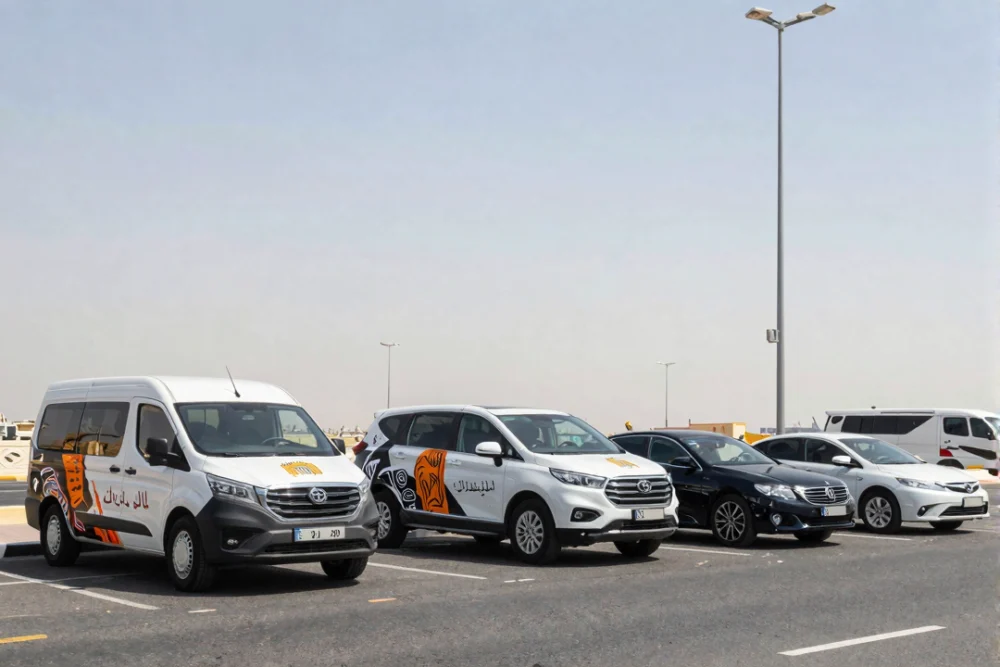
Premium UV-resistant vinyl on a Dubai van emphasizes weather-ready materials
Frequently Asked Questions
Do vehicle wraps in Dubai require RTA approval?
Yes. RTA approval is required before installation for commercial vehicle branding. The approval process checks safety, visibility, and content compliance. Designs must be submitted through approved channels, and the final wrap must match the approved artwork exactly. Installing before approval can lead to penalties or forced removal.
What design rules affect vehicle branding content in Dubai?
Designs must not block windshields, lights, or license plates. Prohibited content includes 3D images, real people, flags, smoking symbols, and barcodes. Arabic and English are required, with Arabic at least 50% of the content. The maximum number of images per side is five.
What documents are typically needed for RTA branding approval?
Submissions usually include vehicle mockups from all sides, a copy of the trade license, vehicle registration, and a formal request letter. Some cases require before-wrap photos. Rented vehicles need a No Objection Certificate, color changes may need Dubai Police approval, and real estate ads may need a Dubai Land Department NOC.
How long does RTA approval usually take for vehicle branding?
Typical processing time ranges from about 5 to 7 working days, and some sources report 5 to 10 working days. The timeline depends on design complexity and whether revisions are required. Submit complete documents to avoid delays.
How long do vehicle wraps last in Dubai’s climate?
With proper installation and care, high-quality wraps can last several years. Some sources cite two to five years, while others report five to seven years, and up to ten years under ideal conditions. Heat, UV exposure, and sand can shorten lifespan if maintenance is poor.
Do temporary event wraps follow different rules?
Temporary wraps may follow different permit requirements. Some event wraps under 24 hours may not need full approval, but they still must follow safety and content rules and avoid prohibited colors or placements. Temporary vehicle advertising is often approved for short durations.


