
INTRODUCTION TO LABEL PRINTING IN DUBAI
Label printing Dubai is essential for retailers aiming to deliver brand-ready packaging aligned with local regulations. In a competitive market like the UAE, durable labels not only enhance product appeal but also ensure compliance with mandatory labeling requirements. Understanding the materials, finishes, and supplier options helps businesses make informed decisions, significantly impacting branding and sales. For example, a high-quality label made from weather-resistant vinyl can be crucial for outdoor products, helping them stand out while resisting fading.
Moreover, retailers should consider the cultural nuances of Dubai, where labels can act as a bridge between global brands and local consumers. Crafting labels that resonate with local customs and language not only builds trust but also enhances customer engagement. Selecting the right label style, whether it’s matte, glossy, or embossed, can elevate a product’s perceived value significantly.
Key Takeaways
- Choosing the right materials and finishes is critical for label durability, especially in diverse climates.
- Understanding local regulations ensures compliance and avoids costly penalties.
- Balancing cost vs. quality considerations is essential for effective branding strategies.
- Comparing local suppliers facilitates better turnaround times and enhances reliability.
- Outdoor-use labels require special attention to environmental factors like UV resistance and waterproofing.
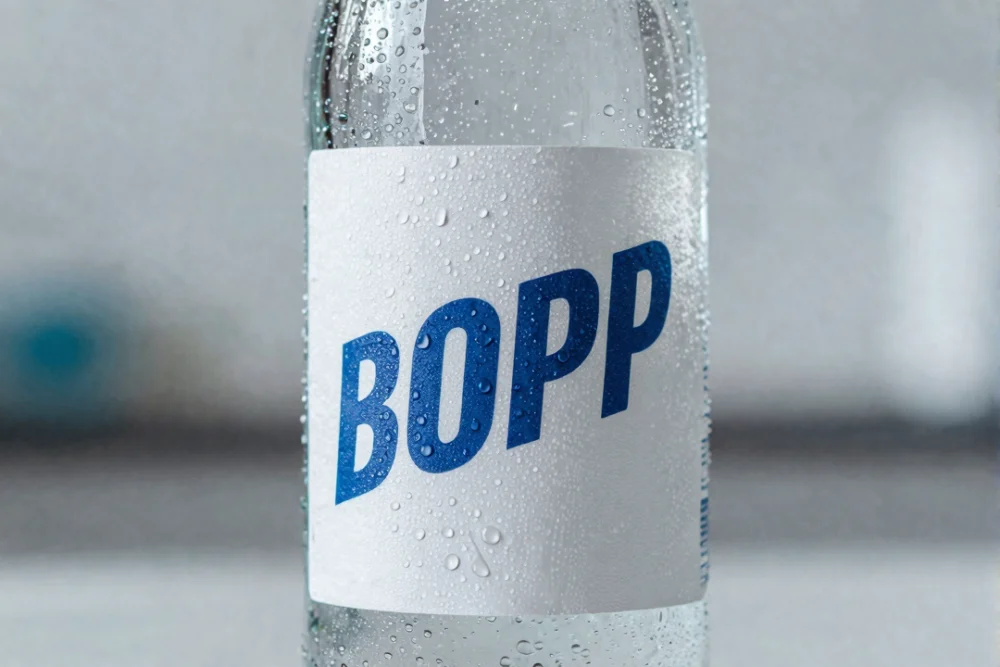
A synthetic waterproof label on a chilled bottle showing resistance to moisture and condensation
CHOOSING DURABLE LABEL MATERIALS
The choice of materials is pivotal in label printing Dubai. Different materials, particularly synthetic options, offer enhanced durability and resistance to environmental factors. For instance, materials like polyester and polypropylene are favored for their strength and weather resistance, making them ideal for various retail applications.
Durable labels are essential for withstanding moisture, heat, and exposure to chemicals. Consequently, they are especially important for products in challenging environments, such as those within the food and beverage industry. Selecting the best material not only prevents label degradation but also enhances the overall presentation of products, creating a professional look that reflects your brand’s quality.
When choosing materials, consider the following:
- Synthetic Materials: Labels made from BOPP (Biaxially Oriented Polypropylene) are waterproof and resistant to tearing. They are highly suitable for beverages, cosmetics, and products exposed to outdoor elements. For example, a bottled drink with a BOPP label can withstand spills and condensation without losing its clarity or design.
- Paper Labels: While being a cost-effective option, paper labels are mainly intended for indoor use. They can degrade quickly in moist conditions, losing their colors and adhesive properties. For instance, while a food product packed in a dry environment may use paper labels, sauces and marinades would benefit from synthetic options.
- Waterproof Options: Waterproof labels are crucial for products that encounter liquids. Be sure to check that the adhesive used can also withstand moisture without degrading. An excellent example is waterproof labels used in the home cleaning industry, which must endure humidity and spills without separating from the bottles.
A common mistake is opting for paper labels in environments where moisture is prevalent. Synthetic materials are preferable for ensuring longevity. To avoid potential failures, always confirm that the material you select aligns with the specific usage conditions of your products. For example, if you are selling perishable items stored in a refrigerated environment, choose a label material designed to handle both low temperatures and potential condensation without curling or peeling.
It’s also worth considering the visual aspects. The finish of the label can influence both durability and appearance. For instance, matte finishes can offer a sophisticated look but may be less resistant to abrasions than gloss finishes. A walkthrough test is recommended: apply different label materials on products to observe their behavior in real environmental conditions.
Lastly, always consult with your label supplier to discuss your specific needs. They can guide you through choices and suggest materials that not only meet functional requirements but also fit your brand aesthetics. This collaborative approach can significantly enhance the longevity and effectiveness of your labels in the competitive Dubai retail scene.
FINISHES AND COATINGS FOR LABELS
Effective label printing Dubai hinges not only on the design but also on the finishes and coatings applied. These can drastically affect both durability and visual appeal. Techniques such as matte coatings, spot UV, and lamination enhance aesthetic quality while ensuring longevity, making them essential choices for retailers.
When choosing a finish, consider the end-use of your product. For instance, outdoor products need coatings that protect against UV rays and moisture, while indoor products may focus more on visual appeal. A well-selected finish can significantly elevate brand perception and customer loyalty.
Explore these finish options for your labels:
- Matte Coatings: These coatings yield a sophisticated look and minimize glare. They have a smooth texture that feels elegant and premium, making them perfect for high-end products. A great example would be a luxury perfume label that wants to convey class and refinement.
- Spot UV: This technique enhances specific areas of the label, creating visual contrast that draws attention to key branding elements or product information. For example, if you want to highlight a logo or product feature, a Spot UV finish on those areas can make them pop, but remember to keep contrast levels consistent for overall harmony.
- Lamination: This finish adds an extra layer of protection against wear and tear. It’s especially effective for labels that will be exposed to harsh conditions, such as food packaging or outdoor products. Lamination can also enhance the colors, making them more vivid and appealing.
When selecting finishes, avoid overly complex designs. Simple designs often enhance clarity and brand recognition. This is crucial; a clear label allows customers to quickly identify your product, thus increasing the chances of purchase. Additionally, ensure that finishes do not compromise the barcode visibility, as this can directly impact scanning during sales transactions. A well-placed barcode combined with a clean design can streamline the purchasing process and enhance customer satisfaction.
Pro Tip: Always request a proof before finalizing your labels. This allows you to see how different finishes impact both appearance and functionality.
COST VS. QUALITY TRADE-OFFS IN LABEL PRINTING
Understanding the balance between cost and quality is paramount in label printing Dubai. Different printing methods, such as digital and flexographic, present various initial and long-term costs. Digital printing is particularly advantageous for short runs or projects requiring frequent design changes, providing a nimble solution. In contrast, flexographic printing excels in cost efficiency for larger, consistent production volumes.
When evaluating printing methods, it’s essential to consider several factors that influence overall effectiveness and expenses, ensuring your choice aligns with your business strategy.
Key Takeaways:
- Initial Costs: Digital often incurs higher costs per unit; flexographic tends to be cheaper per unit for large volumes.
- Turnaround Time: Digital provides quicker results, invaluable for urgent requests.
- Design Flexibility: Digital printing allows for easy changes; flexo is best for stable, consistent designs.
- Total Cost of Ownership: Evaluate durability and regulatory compliance for lasting value.
- Business Needs: Align your printing choice with current and future production demands.
When evaluating printing methods, examine the following aspects:
| Method | Best For | Initial Costs | Long-Term Consideration |
|---|---|---|---|
| Digital Printing | Short runs, variable data | Higher per-unit cost | Faster turnaround times, flexibility in design changes |
| Flexographic Printing | Large-volume orders | Lower per-unit cost | Setup costs can be high; best for stable designs |
It’s vital to analyze the total cost of ownership instead of just upfront expenses. For instance, while a high-quality digital print might seem expensive at first glance, its durability and allure can translate into fewer instances of reprinting. This minimizes waste and enhances customer satisfaction, which is crucial in a competitive market. On the other hand, flexographic printing may require a larger initial investment due to setup costs; however, it often leads to greater savings in large production runs.
For practical application, if your business anticipates a series of product launches throughout the year, investing in digital printing may yield better results due to its adaptability. Conversely, if you specialize in a single product with consistent labeling needs, flexographic printing could be more beneficial long-term.
In Dubai, understanding local market demands and trends can provide additional context for what method to choose. Factors such as regulatory compliance for specific products, including food and cosmetics, may also dictate the necessity for higher-quality labels, thus affecting your overall cost analysis. Ensure that your chosen method not only meets your current production needs but is also scalable for future growth.
COMPARING LOCAL SUPPLIERS IN DUBAI
Finding reliable local suppliers is crucial for efficient label printing Dubai and ensures timely delivery of quality products. Suppliers in Dubai vary widely in services, turnaround times, and pricing models, so comparing these elements is essential for retailers looking to enhance their brand image and operational efficiency.
To effectively compare suppliers, consider the following:
- Turnaround Times: Average turnaround times can significantly affect your operations, especially during peak seasons. For instance, if a supplier promises a 3-day turnaround, but on average delivers in 5 days, it can disrupt your stock availability. Fast delivery can be a competitive advantage in retail, so look for suppliers who consistently meet or exceed their promised timelines.
- Quality Assurance: Request samples and reviews to gauge reliability. Ask for recent case studies or testimonials from clients who have used their services. A supplier’s reputation often reflects past client satisfaction and adherence to quality standards. For example, if the supplier has a portfolio showcasing their work with well-known brands, it often indicates their capability to deliver quality labels.
- Pricing Models: Understand if they offer bulk discounts or flexible contract terms. An example would be a supplier who offers a 10% discount on orders exceeding 1,000 units. Some suppliers may provide advantageous pricing for larger quantities, but ensure that the quality is not sacrificed. It’s wise to ask for a detailed breakdown of costs to understand what you’re paying for.
For retailers looking for suppliers near them, conducting research to compile a list of potential label printing companies is beneficial. Utilize online resources and local business directories. Visiting facilities can give you insight into their production capabilities and technology. One common mistake retailers make is not comparing multiple suppliers. Always evaluate at least three to ensure competitive pricing and service reliability. This proactive approach enables retailers to select a supplier that meets their quality, price, and timeline needs, ultimately enhancing their product appeal and operational success.
Pro Tip: Create a checklist of your requirements, such as minimum order quantities, material types, and delivery schedules, to better assess which suppliers align best with your needs.
LEGAL AND REGULATORY REQUIREMENTS FOR LABELS IN DUBAI
Label printing Dubai is more than just a design task; it involves adhering to various legal and regulatory requirements. Compliance with labeling regulations is non-negotiable in Dubai. The Dubai Municipality enforces stringent labeling standards that include displaying the product name, manufacturer information, country of origin, and specific safety warnings—often in Arabic. Understanding these regulations is crucial for smooth operations and customer trust.
Familiarizing yourself with the local regulatory landscape can alleviate legal complications. Here are key elements to consider:
- Mandatory Elements: All product labels must clearly include the product name, sufficient manufacturing details, and necessary safety warnings to ensure consumer protection. For example, food items must also state any allergens present, such as nuts or gluten.
- Language Requirements: Labels must prominently feature Arabic translations. Ensure that all text is accurate and adheres to this requirement; even minor errors can lead to product rejections or fines. A good practice is to engage a native speaker for translation checking to avoid misunderstandings.
- Barcode Requirement: Each product variation must carry a unique barcode that simplifies inventory management and retail operations. This not only aids in tracking but also enhances customer experience at checkout. Investing in a reliable barcode system can streamline this process.
- Regulatory Approvals: Depending on the product category, some items may require additional approvals from ministries or regulatory bodies, particularly in sectors like cosmetics or food. Ensure you conduct thorough research about which approvals apply to your products.
Failing to include mandatory elements such as safety warnings or the Arabic translation can lead to significant penalties, delays, or recalls. Cultivating relationships with local compliance experts is a practical approach to ensure that your labels meet all required standards. This step not only mitigates risks but can also provide insights into emerging regulatory trends, keeping your business ahead of the curve.
GUIDELINES FOR OUTDOOR-USE LABELING
When it comes to label printing dubai, outdoor labels must endure a diverse range of environmental conditions, including intense sunlight, moisture, and temperature fluctuations. Selecting the right materials and finishes is not just a matter of aesthetics; it’s crucial for the longevity and effectiveness of labels on products meant for outdoor use.
For optimal results, labels should be printed on resilient substrates like BOPP (Biaxially Oriented Polypropylene) or vinyl, both of which offer strong moisture resistance. Adding a UV-resistant coating is vital to prevent colors from fading under prolonged sun exposure. Select packaging materials that can withstand harsh weather conditions and temperature shifts to ensure your products remain well-presented in diverse climates.
When designing outdoor labels, adhere to these essential guidelines:
- UV Resistance: Use labels with UV-resistant properties to significantly enhance their lifespan and maintain visibility. Research shows that untreated labels can fade in as little as a few months under direct sunlight.
- Moisture Resistance: Choose materials that withstand wet conditions. For example, BOPP is ideal in humid regions like those often found in Dubai. It’s designed to endure wetness without deterioration, ensuring your labels remain intact.
- Adhesives: Utilize adhesives specifically crafted for outdoor applications. These adhesives should maintain their strength even in extreme weather conditions, including high heat and rain. For instance, consider using pressure-sensitive adhesives that bond well to a variety of surfaces.
Pro Tip: Take time to test label performance during different seasons to ensure durability. Simulating exposure to sunlight and moisture can provide insights into longevity before making bulk purchases.
Avoid using standard indoor paper labels for outdoor products, as they lack necessary protective features. A poor choice here can lead to a decrease in brand reputation when products are seen with faded or peeling labels. Retailers should also set a schedule to periodically review label conditions to assess long-term functionality and aesthetic appeal. This can help identify any fading or damage, allowing timely replacements.
VENDOR BRIEF CHECKLIST / TEMPLATE
When exploring label printing Dubai, having a comprehensive vendor brief can streamline communication and ensure all your requirements are met efficiently. A well-structured brief serves as a crucial foundation for engaging with potential label suppliers, making sure you don’t miss any critical details that could impact your product launch or compliance. Here’s a handy template designed for Dubai’s retail landscape:
- Be Specific: Details matter, so avoid vague descriptions.
- Know Your Regulations: Familiarize yourself with local compliance to ensure smooth approval.
- Verify Understanding: Always confirm your specifications with suppliers.
- Plan Ahead: Consider fluctuations in demand and plan your timelines accordingly.
- Follow Up: Regular communication can help preempt production issues.
| Checklist Component | Description |
|---|---|
| Product Details | Specify the type and dimensions of products (e.g., bottles, boxes) to ensure accurate quotes. For example, if you’re printing labels for a 500ml bottle, provide precise measurements to eliminate confusion. |
| Material Preferences | List preferred materials (e.g., synthetic, paper) and any other specific requests, such as waterproofing or UV coatings. Consider comparing options—synthetic materials might offer more durability in humid conditions, which is common in Dubai. |
| Design Files | Indicate the preferred file format (e.g., .PDF or .AI) and required resolution (at least 300 DPI) for design files to avoid production delays. Ensure all text is converted to outlines to prevent font issues. |
| Regulatory Requirements | State regulations to be followed, such as necessary Arabic labeling and other local compliance requirements. It’s crucial to check the Dubai Culture website for any updates on labeling laws. |
| Delivery Timeline | Specify required turnaround times based on operational needs, accounting for peak sales periods. For instance, if you plan to launch during the Dubai Shopping Festival, ensure you allow extra lead time for production. |
Confirm with your supplier to ensure they fully understand all specifications provided in the vendor brief. Failing to specify crucial elements can lead to production delays, impacting your ability to go to market on time. Regular follow-ups during the production process can help resolve potential issues quickly and maintain transparency, ensuring a successful and smooth operation. By working collaboratively, you create a streamlined process that benefits both you and the supplier.
CONCLUSION: MAKING INFORMED DECISIONS ON LABEL PRINTING
In summary, understanding the essentials of label printing Dubai equips retailers and SMEs with the tools to enhance product branding while ensuring compliance with local regulations. The right label not only communicates your brand’s identity but also plays a crucial role in customer perception and product safety. For example, labels with clear ingredient listings and expiry dates can boost consumer trust and compliance.
Key considerations include selecting durable materials and managing costs effectively. Retailers should assess materials based on the environment their products will face. For instance, if your product will be exposed to moisture or sunlight, opting for waterproof labels is vital. Additionally, consider factors like adhesive strength when choosing labels to prevent peeling or fading.
Best practices include:
- Sample Testing: Always request samples before finalizing your choice. This ensures the labels will perform as needed in real-world conditions.
- Comparative Cost Analysis: Don’t just go for the lowest price; analyze the overall value, including durability and aesthetic appeal.
- Environmental Considerations: Assess eco-friendly options to meet growing consumer demands for sustainability.
Providers like GFX Printer offer various options to meet your labeling and packaging needs effectively, ensuring your products stand out in the competitive Dubai market. By collaborating with a knowledgeable supplier, you can gain insights into cutting-edge printing technologies that can further enhance your labels’ appeal.
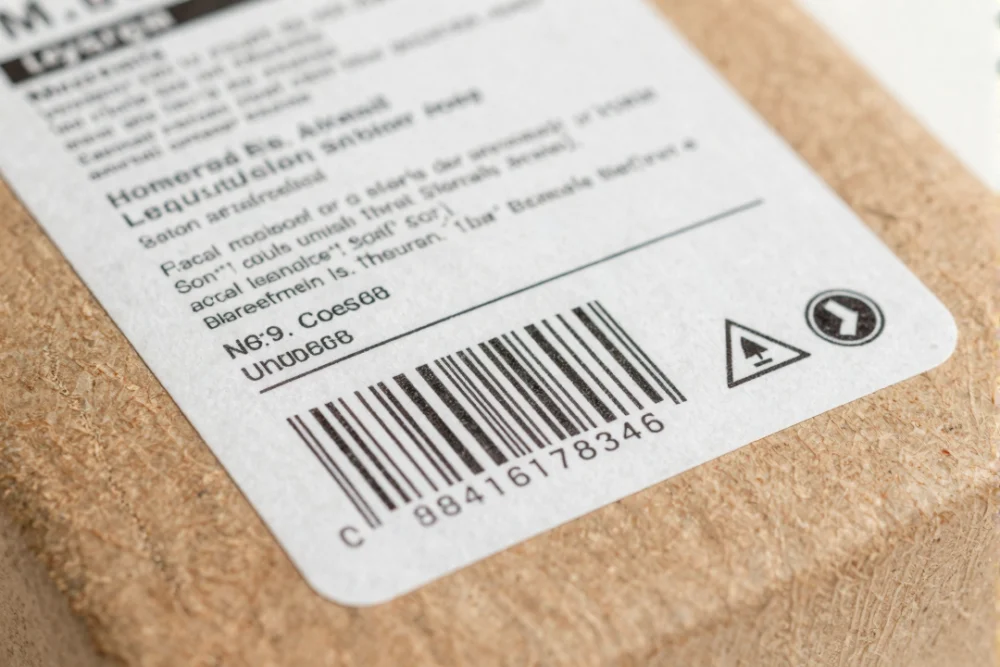
A close up of a product label highlighting essential regulatory elements like barcodes and clear product information
REFERENCES
- Labelprinting in 2026? Trends die de toekomst vormgeven — KONICA MINOLTA — — Labelprinting in 2026? Trends die de toekomst vormgeven
- UAE Flexible Plastic Packaging Market Projected to Reach USD 2 Billion by 2032 — Vyansa Intelligence — 2023-03-11 — UAE Flexible Plastic Packaging Market Projected to Reach USD 2 Billion by 2032
- Custom Label Printing Technology – The Ultimate Guide — Epsen Hillmer Graphics Company — 2025-04-04 — Custom Label Printing Technology – The Ultimate Guide
- Durable Labels — — Durable Labels
- Making Waterproof Labels for Bottles | Waterproof Product Labels — Blue Label Packaging — 2024-04-26 — Making Waterproof Labels for Bottles | Waterproof Product Labels
- How to Choose the Right Printing Method for Your Product Labels — Mammoth Labels & Packaging — 2024-11-27 — How to Choose the Right Printing Method for Your Product Labels
- Best printing methods for packaging: 5 methods compared | Oppaca — Oppaca — — Best printing methods for packaging: 5 methods compared
- Labeling and Standards Regulations on Goods Manufactured in United Arab Emirates – USCIS Guide — USCIS Guide — — Labeling and Standards Regulations on Goods Manufactured in United Arab Emirates
Frequently Asked Questions
What is the growth outlook for the UAE packaging and labeling market?
The UAE flexible plastic packaging market is projected to reach USD 2 billion by 2032, growing from USD 1.5 billion in 2026. This expansion represents a compound annual growth rate (CAGR) of 4.2%. Major drivers include the food and beverage industry and e-commerce logistics, which require high-quality product labels dubai and durable shipping materials.
How is digital technology transforming label printing dubai?
Digital technology is expected to double global label output to 11.2 billion square meters by 2030. For those involved in label printing dubai, digital systems enable faster onboarding, shorter production runs, and enhanced personalization. While traditional flexography still accounts for 41% of total volume, digital’s market share is projected to reach 11.3% by 2030.
Which materials dominate the UAE packaging and labeling sector?
In the UAE, polyethylene is the primary material used, accounting for nearly 60% of the market share. Regarding product demand, bags represent about 40% of the total market. These materials are essential for various industries that utilize custom packaging printing dubai, particularly for food-grade applications and retail logistics.
How do new packaging regulations impact label design?
New regulations like the EU’s Packaging and Packaging Waste Regulation (PPWR) require manufacturers to adopt design-for-recycling principles. This shift is driving the growth of Extended Content Labels (ECLs), which provide more regulatory and sustainability information without increasing the label’s physical footprint. Converters must now adapt to these compliance requirements and certified material standards.
What are the main drivers for packaging demand in the UAE?
The top five manufacturers in the UAE currently hold roughly 50% of the market share. Demand is primarily driven by the food and beverage sector and the rapid expansion of e-commerce. These industries rely on specialized solutions, ranging from flexible pouches to printed boxes dubai, to meet logistical needs and regional regulatory standards.
