

Understanding Barcode Label Printing in Dubai
Barcode label printing Dubai is essential for retailers seeking to improve inventory management. By effectively implementing barcode labels, businesses streamline their inventory processes and achieve increased efficiency and accuracy. This method is crucial in Dubai’s rapidly growing retail market, where maintaining accurate records and rapid response to market demands are vital for success.
Efficient barcode label printing can help retailers manage stock levels better, reduce human error, and improve customer satisfaction through accurate inventory tracking. When partnered with suitable technology, barcode systems can provide invaluable insights into sales patterns and stock flows.
Key Takeaways
- Implementing barcode labels improves inventory accuracy and reduces errors.
- Choosing the right materials and adhesives ensures durability under various conditions.
- Compliance with local regulations is vital for smooth business operations.
- Evaluate cost versus longevity to balance budget and needs effectively.
- Vendor selection plays a critical role in successful implementation.
Benefits of Barcode Label Printing
Utilizing barcode label printing offers various advantages for retailers in Dubai, including:
- Enhanced Accuracy: Automated scanning reduces manual entry errors. Retailers can expect to see significant improvements in accuracy over traditional labeling methods.
- Increased Efficiency: Barcode systems enable quicker check-in and check-out processes. This speeds up operations in busy retail settings.
- Real-Time Information: Barcode labels provide immediate data regarding stock levels, allowing for quicker restocking and minimizing lost sales from out-of-stock items.
Choosing the Right Barcode Systems
When considering barcode label printing, retailers should evaluate various barcode types and systems:
- 1D Barcodes: Standard barcodes like UPC and EAN are effective for straightforward inventory management.
- 2D Barcodes: QR codes can store more information and link directly to online resources, which is useful for marketing and product information.
Before implementing a barcode system, retailers should assess their specific needs and inventory types to decide whether 1D or 2D barcodes fit best into their operations.
Importance of Compliance and Local Regulations
Compliance with local regulations is essential for businesses engaged in label printing in Dubai. Regulatory requirements dictate that all labels must include pertinent information such as product names, safety warnings, and manufacturer details, often in both Arabic and English. Failure to comply can lead to penalties or operational delays.
It’s crucial to ensure that all barcode labels adhere to regulations set by local authorities, particularly focusing on content clarity and language use.
Choosing a Vendor for Your Barcode Labels
Effective vendor selection is crucial for successful barcode label implementation. When choosing a vendor, consider the following:
- Material Quality: Select a vendor that offers high-quality materials to withstand various environmental conditions. Look for options in custom sticker printing Dubai that provide durable labeling solutions.
- Adhesive Types: Discuss available adhesive types with potential vendors to ensure longevity and adherence under different conditions.
- Experience and Reliability: Choose vendors who have a proven track record in the region, as this can mitigate risks related to compliance and operational delays.
Always ask for samples and previous client references to assess their reliability and product quality. Evaluating multiple options will enable you to identify the best alignment with your business needs.
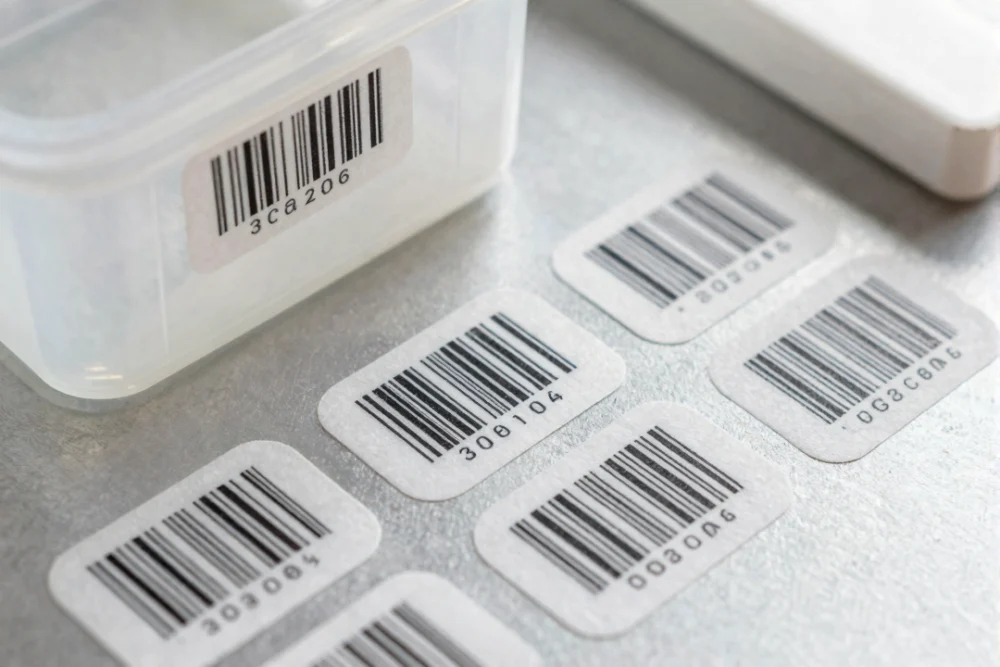
A selection of high-quality barcode labels made from durable materials designed to withstand environmental conditions
Choosing the Right Barcode Label Materials and Adhesives
Barcode label printing Dubai requires careful selection of materials and adhesives to ensure optimal performance. The right combination protects labels from environmental factors while maintaining fast readability. Understanding your choices is crucial to making informed decisions that meet your labels’ specific demands.
Key Takeaways
- Select materials that match environmental conditions to ensure durability.
- Different adhesives serve distinct purposes; know when to use each.
- Always clean surfaces before applying labels for maximum adhesion.
- Consider product lifespan when choosing between temporary and permanent adhesives.
- Optimal label choices can significantly enhance inventory management.
Label Material Options
Common label materials include paper, polyester, and polypropylene, each with unique properties suited for various applications:
- Paper: Best for indoor use, paper labels are cost-effective and widely available. However, they are not resistant to moisture or chemicals, making them unsuitable for environments where exposure to fluids is likely.
- Polyester: This durable material excels in harsh outdoor environments. Polyester labels resist tearing and fading, making them a reliable choice for products exposed to sunlight or aggressive weather conditions.
- Polypropylene: Known for its versatility, this material is waterproof and resistant to chemicals. This makes it ideal for product labels Dubai, particularly for goods that may come into contact with liquids or oils.
When selecting label materials, consider specific needs based on your usage environment. For example, food delivery services should choose materials that can resist moisture and keep labels readable.
For instance, a retailer might want to use high-quality polyester labels for outdoor products, ensuring that even in Dubai’s heat, the labels remain intact and legible throughout their lifespan.
Adhesive Options and Their Applications
The adhesive type used influences label performance significantly. Understanding different adhesives enables you to match them with your application needs:
- Permanently Adhesive: Designed for long-term labeling, these adhesives have a strong bond to surfaces. They’re perfect for products that require consistent labeling over an extended period. For example, a retail store may use these for price tags or item identification.
- Removable Adhesives: Ideal for temporary applications like price tags or seasonal promotions, these adhesives allow easy removal without damaging surfaces. This flexibility is particularly useful in retail settings for markdowns and sales.
- Freezer-Grade Adhesives: If you need labels for products stored in cold conditions, these adhesives stay effective even at low temperatures. They’re important for food retailers dealing with frozen items.
Before applying labels, ensure that surfaces are clean to maximize adhesion strength. A common mistake is applying labels to dirty or oily surfaces, which can lead to label peeling or detachment over time. Consider using an adhesive cleaner to prepare surfaces correctly.
For added guidance, consult the Custom Label Printing Dubai Checklist to ensure all aspects of your labeling project are covered, including material and adhesive choices.
Cost vs. Durability: Evaluating Your Options
Balancing cost and durability in barcode label printing Dubai can be challenging. While lower-cost labels might seem appealing, they could lead to increased overall costs due to frequent replacements and failures. Consider the long-term implications; investing in higher-quality labels can reduce the hassle of reprinting and re-labeling, ultimately saving time and money. Understanding the trade-offs between upfront costs and label longevity is essential for making informed decisions.
Key Takeaways
- Evaluate the long-term costs versus short-term savings when choosing label materials.
- Thermal transfer printing offers durability; direct thermal is optimal for temporary labels.
- Factors such as exposure to elements can affect label lifespan significantly.
Comparing Printing Methods
Two major printing methods commonly used for barcode label printing are thermal transfer and direct thermal printing. Understanding the differences between these methods can help you choose the right one for your needs:
| Method | Description | Durability |
|---|---|---|
| Thermal Transfer | Uses a ribbon to apply ink onto the label, resulting in high-quality, durable prints. | Long-lasting, resistant to fading, moisture, and chemicals. |
| Direct Thermal | Uses heat-sensitive paper and does not require ribbons, making it cost-effective for short-term labels. | Generally lasts 6-12 months before fading; not suitable for exposure to heat or sunlight. |
When considering which method to use, think about how long you need the labels to last. For products that require long-term labeling, thermal transfer is often the better choice. This method is highly effective for labels that face environmental stresses, such as those used for products exposed to moisture or harsh chemicals.
Practical Tip: If your products are regularly handled or may be exposed to moisture, opt for thermal transfer labels. They are specifically designed for such conditions, providing durable and reliable labeling solutions. In contrast, if you need labels primarily for shipping or temporary use, direct thermal printing can be a more economical choice.
Additionally, it’s essential to assess the specific application of your labels. For instance, shipping labels UAE are typically time-sensitive and may not need to endure long-term conditions, making direct thermal printing a suitable choice for those. However, material choice plays a crucial role in ensuring that the labels remain intact through their intended lifecycle.
In summary, always weigh the initial costs of lower-end labels against their potential to fail and the additional expenses tied to replacements. By investing wisely in high-quality barcode labels, you can ensure that your inventory management runs smoothly, thus enabling greater operational efficiency within your Dubai retail environment.
Regulatory Considerations for Barcode Labeling in Dubai
Barcode label printing Dubai necessitates compliance with local regulations, which is essential for avoiding penalties and ensuring a smooth supply chain. By understanding these legal requirements, businesses can implement an effective labeling strategy that aligns with regulatory standards, directly impacting their operational efficiency.
Key Takeaways
- Compliance with local regulations can prevent penalties and disruptions.
- Labels must feature product names and manufacturer details in both Arabic and English.
- Safety warnings are critical for consumer protection and legal compliance.
Mandatory Labeling Requirements
To comply with Dubai’s strict labeling laws, businesses need to be aware of several mandatory requirements. Key points include:
- Dual Language: All labels must include key information like product names and manufacturer details in both Arabic and English. This ensures that local consumers clearly understand what they are purchasing.
- Clear Safety Warnings: Labels must feature safety warnings that are both clear and easily visible. For example, if a product contains allergens, this information should be prominently displayed to protect consumers.
- Emirates Conformity Assessment System (ECAS): Compliance with ECAS is necessary to meet regulatory standards, particularly for products such as electronics or food items. Ensure your labels reflect this compliance to avoid unnecessary delays in the distribution process.
Make sure to review any specific regulations that apply to your product category, as this can vary significantly between industries. Businesses should check local authorities or consult legal resources to confirm they are meeting all relevant requirements.
Shipping and Delivery Considerations
Shipping labels are crucial for ensuring successful delivery and compliance with local customs regulations. Accurate shipping labels must include several important details:
- Address Format: Use full recipient names and addresses, adapting to local practices by utilizing P.O. Box numbers instead of street addresses. This standard is unique to Dubai and might differ from norms in other regions.
- Tracking and Weight Information: Shipping labels should include tracking numbers and accurate weight information for effective parcel management, enabling tracking and logistics companies to process shipments without complications.
Neglecting these details can lead to significant delays and issues in the logistics process. Ensure that your shipping labels are thoroughly checked for accuracy before dispatch to avoid disruptions. Always confirm the latest shipping regulations and practices in Dubai to facilitate smooth delivery operations.
Vendor Brief Checklist / Template
Barcode label printing Dubai has specific vendor requirements that can streamline your inventory labeling process. Creating a structured checklist can help you evaluate potential vendors for barcode label printing services effectively.
Key Takeaways
- A structured checklist simplifies vendor evaluation, ensuring you choose the right supplier.
- Ask about material options and adhesive types for tailored solutions.
- Confirm local compliance to avoid regulatory issues down the line.
| Vendor Criteria | Questions to Ask |
|---|---|
| Material Options | What labeling materials do you offer, and what is their durability? |
| Adhesive Types | What types of adhesives are available and suitable for specific environments? |
| Compliance | How does your printing process ensure compliance with local regulations? |
| Pricing | Can you provide a detailed cost breakdown based on material and volume? |
| Delivery Times | What’s the typical turnaround time for orders, and what shipping options do you offer? |
This checklist is essential for ensuring that you choose a vendor capable of meeting your specific needs. Always confirm details with your chosen supplier to prevent misunderstandings. For instance, inquire about specific labeling formats and materials that meet Dubai’s stringent local regulations, such as Arabic inclusion for safety warnings.
Providers like GFX Printer can offer tailored solutions that fit well within your operational requirements and budget constraints. Take the time to probe deeper into their production capabilities, especially regarding thermal transfer versus direct thermal options based on your labeling needs.
Affix questions about sample availability, as testing materials can further ensure you are selecting labels that maintain performance under the specific conditions in Dubai’s retail environment. This meticulous approach will safeguard against potential supply chain disruptions and enhance your overall inventory accuracy.
Conclusion and Next Steps
Implementing effective barcode label printing Dubai solutions is crucial for streamlining inventory management processes. The right decisions regarding materials and adhesives, combined with a clear understanding of compliance regulations, will significantly enhance your operational efficiency. By taking time to assess your options, you can achieve optimal outcomes for your business.
Key Takeaways
- Utilize appropriate materials and adhesives for long-lasting labels.
- Ensure compliance with Dubai’s labeling regulations to avoid delays.
- Evaluate costs versus durability for better operational efficiency.
- Choose reliable vendors for quality and timely delivery.
- Regularly review and update labeling practices to reflect any changes in regulations or technology.
Beginning with assessing your needs will guide your entire process. Consider your environment: Do you require labels that withstand moisture or extreme temperatures? For example, if you’re managing inventory in a chilled warehouse, freezer-grade adhesive labels are essential. In contrast, removable adhesives are ideal for temporary price tags.
Next, ensure compliance with local regulations. Labels must feature product names, safety warnings, and information in Arabic, alongside any relevant details about the manufacturer. This is not just a legal requirement but also improves customer trust and experience.
Take the time to compare different printing methods. Thermal transfer printing yields durable labels suitable for long-term use, while direct thermal printing is cost-effective for short-term needs. By assessing your specific scenarios, you can select the best method for your labeling requirements.
Lastly, consider working with local providers for your printing. Vendors like GFX Printer offer tailored solutions catered to Dubai’s market, ensuring faster delivery and compliance with local guidelines. Regularly reviewing and adjusting your setup can set your business apart, ensuring you remain competitive in the bustling Dubai market.
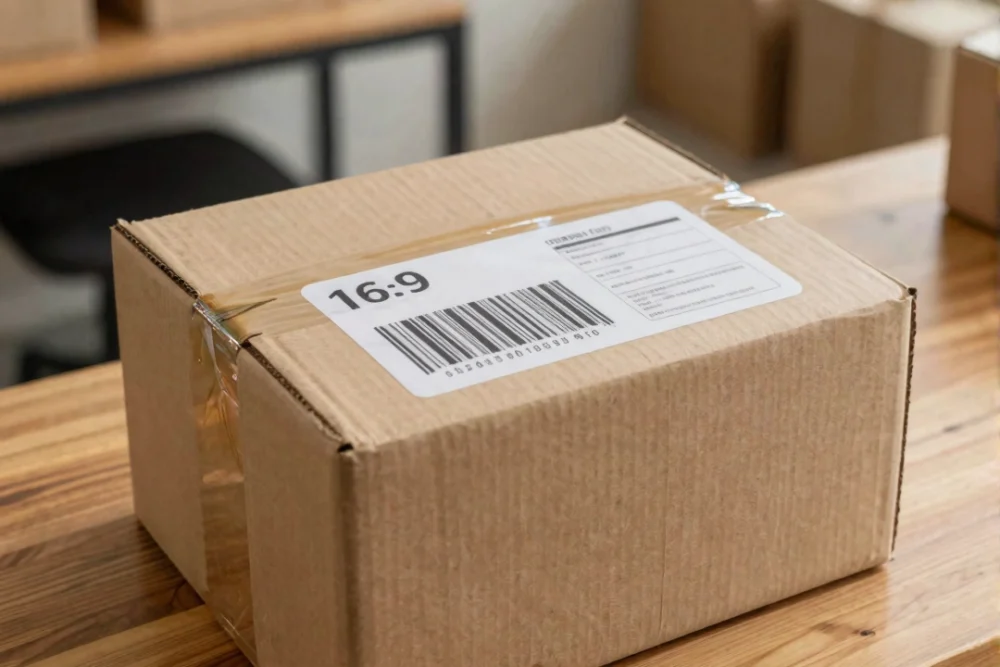
A properly formatted shipping label on a cardboard box ready for transit within the UAE logistics network
References
- ISO/AWI 15394 – Packaging — Bar code and two-dimensional symbols for shipping, transport and receiving labels — ISO Standard
- The Complete Guide to Effective Barcode Label Printing — Big News Network — Effective Barcode Label Printing
- Label Adhesives 101: Choosing the Right Option for Your Needs — 4x6Labels — Understanding Label Adhesives
- Inventory Labeling & Secure Storage Services in UAE | iNNOVEX — innovexenterprises — Inventory Labeling and Storage
- Labeling and Standards Regulations on Goods Manufactured in United Arab Emirates — USCIS Guide — Labeling Standards Regulations
Frequently Asked Questions
What information is required on food labels in Dubai?
Dubai Municipality mandates that food labels include the brand name, ingredients listed in descending order of weight, production and expiry dates, and the name of the manufacturer or distributor. Labels must also include storage conditions and allergen warnings. For barcode label printing dubai, ensure the label is clearly visible and not obscured by wrappers, as this can lead to product rejection.
Is Arabic mandatory for product labels in Dubai?
Yes, Arabic is the official language for product labels dubai. All food packaging must include Arabic text for verification by the Dubai Municipality. If the original packaging is in another language, stickers may be used to provide the required Arabic translation. This ensures that all consumers can access mandatory disclosures, such as ingredient lists and safety warnings.
How should shipping labels for Dubai be formatted?
Shipping labels should include the recipient’s full name, package weight, tracking number, and service type. In Dubai, P.O. Box numbers are the standard address format instead of street addresses. When managing barcode label printing dubai, place barcodes in a prominent location on the largest surface of the package using durable, water-resistant materials to ensure they remain scannable during transit.
What are the rules for country of origin on Dubai labels?
Dubai Municipality requires the country of origin to be clearly stated as a specific nation. General regions, such as “EU,” are not acceptable and can lead to regulatory issues. This transparency is mandatory for all suppliers registered via the FIRS system, and the information must be easily readable on the final product packaging.
What are the risks of incorrect labeling for UAE shipments?
Inaccurate labeling can lead to significant delays, fines, or the seizure of goods by UAE customs. Common risks include missing expiration dates, generic country of origin descriptions, and address errors. When preparing shipping labels uae, you must also include an accurate customs declaration form, as prohibited items like e-cigarettes or counterfeit goods will be confiscated.